A radiant heating system offers an efficient approach to creating comfortable indoor and outdoor environments. Unlike conventional heating methods that circulate warmed air, radiant heating transfers warmth directly to people, objects, and surfaces through infrared energy. This method supports more even heat distribution while helping limit energy loss. Its versatility allows use in applications ranging from indoor underfloor heating to targeted warmth across outdoor areas. By reducing reliance on forced-air systems, radiant heating can help minimise cold spots and limit the movement of dust. This technology combines efficient performance, sustainability, and consistent warmth for contemporary spaces.
How Radiant Heating Delivers Targeted Warmth
Radiant heating transfers warmth through infrared energy, directly heating objects, surfaces, and occupants within its coverage area. This method reduces the need to warm the surrounding air, unlike conventional systems that rely heavily on air circulation. By focusing on direct heat transfer, radiant heating creates a quick and consistent sense of warmth throughout the intended space.
The technology reflects natural heating processes, similar to how sunlight warms surfaces during colder conditions. It supports balanced heat distribution while reducing temperature variations that can occur with conventional heating methods.
Radiant heating also operates without significant air movement, helping limit the circulation of dust and allergens while supporting cleaner indoor air. This targeted approach can reduce energy waste because warmth is directed towards areas where it is needed rather than dispersed throughout unused spaces. The combination of efficiency and comfort makes radiant heating suitable for residential and commercial environments.
Enhancing Energy Performance through Radiant Heat
Radiant heating offers an efficient way to maintain comfortable temperatures by transferring warmth directly to objects and surfaces rather than relying on heated surrounding air. This method helps limit energy waste by concentrating warmth where it is required and avoiding some inefficiencies associated with air-based heating. Lower operating temperatures in radiant-heating systems can also contribute to reduced energy consumption while maintaining comfortable conditions.
Zonal control can further improve efficiency by allowing separate areas to be heated independently, reducing unnecessary energy use in unoccupied spaces. The absence of continuous air movement can also help limit heat loss associated with air circulation, particularly within spaces affected by inadequate insulation.
These systems can also integrate with modern energy management technologies, allowing accurate adjustments that support efficient performance and controlled energy consumption. By combining targeted warmth with effective operation, radiant systems provide a sustainable heating approach suited to contemporary residential and commercial requirements.
Minimising Heat Loss across Contemporary Spaces
Modern architectural layouts often include open-plan areas and extensive glass surfaces, which can contribute to increased heat loss. Radiant-heating systems help address this issue by transferring warmth directly to people and objects rather than primarily heating the surrounding air. Installing radiant heating beneath flooring materials such as tile or stone can create a thermal layer that supports consistent warmth, even across spaces with complex layouts.
The lack of forced air movement can reduce heat escape through poorly sealed windows and doors. Radiant heating can also be effective in high-ceiling environments because it avoids relying on warm air that naturally rises and collects near the upper part of a room. This direct heating method supports efficient energy use while delivering warmth where it is most needed. These characteristics make radiant heating suitable for modern spaces requiring a balance between contemporary design and reliable thermal performance.
Choosing a Suitable Electric Radiant Heating System
Selecting an electric radiant heating system involves considering several factors to ensure appropriate performance for the intended space. The type of area being heated is an important consideration, as these systems can provide effective temperature control in rooms such as bathrooms and kitchens. Their relatively straightforward installation can also make them suitable for retrofitting existing properties with limited disruption.
Building insulation and overall energy efficiency should be assessed because these factors can influence system performance. Connecting the heating system with renewable energy sources may provide additional environmental benefits. Compatibility with smart home technology is another consideration, as programmable settings and remote controls can support more efficient energy management.
The required power capacity should also be determined according to room dimensions and heating demands. Selecting suitable capacity helps provide effective warmth without unnecessary energy consumption. Considering these factors can contribute to a practical, efficient, and well-suited radiant heating solution.
Ideal Applications for Radiant Heating
Radiant-heating systems perform effectively across various environments because they provide consistent and targeted warmth. They are particularly beneficial in spaces where conventional heating systems may experience performance challenges. Areas featuring tiled or stone flooring, for example, can benefit significantly, as these materials conduct and retain heat effectively.
Similarly, rooms with high ceilings or extensive windows, which may experience inconsistent temperatures with conventional systems, can achieve improved heat regulation through radiant heating. Since these systems do not rely on air circulation, they help minimise draughts and support a stable, comfortable environment.
Bathrooms and kitchens are popular areas for radiant heating, as it can reduce the discomfort associated with cold surfaces. The technology is also suitable for open-plan properties where achieving consistent warmth throughout a large area can be difficult. Additionally, its discreet design integrates easily with contemporary architectural styles, making it suitable for modern residential and commercial environments.
Comparing Indoor and Outdoor Heating Needs
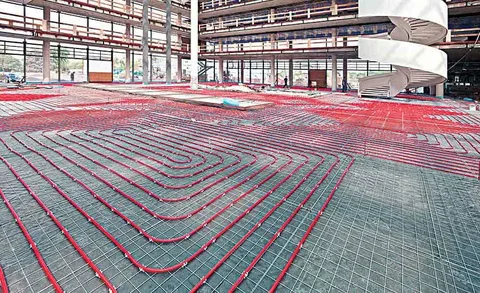
Indoor and outdoor heating requirements differ significantly due to environmental conditions and usage purposes. Indoor heating focuses on maintaining consistent and even warmth within enclosed spaces, ensuring comfort throughout the entire area. Radiant systems for indoor use are often integrated into floors or walls, delivering heat directly to surfaces and objects for maximum efficiency.
In contrast, outdoor heating systems must contend with exposure to natural elements, such as wind and fluctuating temperatures. Outdoor radiant-heaters are designed to emit infrared heat that targets specific areas, making them effective for patios, terraces, and other open-air environments. These systems provide focused warmth that enhances usability in outdoor spaces without the inefficiencies caused by heat dispersion.
While indoor systems often aim for long-term temperature regulation, outdoor systems prioritise creating comfortable zones for shorter periods. The difference in design and functionality reflects the distinct challenges and goals associated with heating enclosed interiors versus open-air settings, ensuring tailored solutions for each environment.
Enhancing Comfort across Open-Air Areas with Outdoor Radiant Heaters
Outdoor radiant-heaters are commonly used to improve comfort in open-air areas, particularly during cooler seasons. Outdoor radiant heaters can extend the practical use of patios, terraces, gardens, and verandas, creating more comfortable settings for relaxation and social activities. In commercial settings, they are often used across alfresco dining areas, outdoor lounges, and event spaces to help maintain pleasant conditions during changing weather.
Through targeted infrared heat, these heaters can perform effectively in breezy environments, addressing some limitations of conventional outdoor heating methods. Flexible installation options allow wall mounting or freestanding placement depending on the requirements of the area. With straightforward installation and the ability to direct warmth towards specific zones, these heaters support comfortable residential and commercial outdoor spaces.
Managing Energy Use and Residential Heating Costs
Radiant-heating systems provide focused warmth efficiently, helping manage overall energy consumption. Operating at lower temperatures than some conventional heating methods, these systems can optimise energy use while maintaining comfortable indoor conditions. Direct heat transfer to objects and surfaces reduces the need to warm large volumes of air, helping limit unnecessary energy losses.
Zonal heating allows separate areas to be heated according to their individual requirements, reducing energy use in spaces that are not occupied. This level of control provides households with a heating solution that can be adjusted according to changing needs and usage patterns.
Over time, reduced energy requirements may contribute to lower household utility costs. Compatibility with modern energy management systems and renewable energy sources can further improve efficiency, supporting contemporary goals for sustainable and cost-conscious residential heating.
Important Installation Considerations for Radiant Heating
Correct installation of a radiant-heating system is important for achieving efficient performance and effective heat distribution. Important considerations include selecting appropriate heating elements and positioning them carefully to provide balanced warmth. Flooring materials can also influence system effectiveness, with conductive surfaces such as tile and stone often supporting efficient heat transfer.
Suitable insulation beneath and around heating elements helps limit unnecessary heat loss and improve overall system efficiency. Zoning should also be considered, as independent control of different areas allows heating to correspond with individual usage patterns and requirements.
Advanced controls, including programmable thermostats, can further improve functionality by supporting accurate temperature adjustments. Professional installation helps ensure that system components are integrated correctly, reducing potential inefficiencies or operational issues while supporting dependable long-term performance.
Creating Greater Comfort through Even Heat Distribution
Radiant-heating systems can provide consistent warmth across indoor spaces by reducing temperature variations commonly associated with conventional heating methods. Balanced heat distribution helps maintain a more uniform temperature throughout a room, contributing to greater comfort. The absence of significant air movement can also reduce draughts, creating a steadier and more relaxing environment. Directly warming surfaces and objects helps limit the hot and cold areas often experienced with air-based heating.
This approach can be particularly beneficial for reducing the chill associated with cold flooring, especially in rooms containing materials such as tile or stone. The gentle and consistent nature of radiant warmth can also create a soothing thermal environment, supporting a comfortable atmosphere across residential and commercial spaces while complementing contemporary interior preferences.
Choosing an Electric Radiator Heater for Residential Warmth
Selecting an electric radiator heater requires consideration of several factors to ensure suitable performance for the intended area. Heating capacity should be matched to room dimensions and insulation levels to provide appropriate warmth without unnecessary energy use. Models with multiple heat settings and programmable timers can offer greater operating flexibility while supporting controlled energy consumption.
Safety features such as thermal cut-offs and tip-over protection are important for secure operation, particularly in households with children or pets. Design and portability can also improve practicality by allowing the heater to be positioned where additional warmth is required. Electric radiator-heaters are well suited to supplementary heating in areas requiring extra comfort, providing a convenient option without major modifications to an existing heating system.
Conclusion
Radiant-heating systems offer a modern approach to indoor warmth by combining efficient performance with focused heat distribution. Their ability to transfer warmth directly to surfaces and surrounding objects can minimise energy loss while supporting even temperature levels. This method suits various applications, including indoor environments requiring consistent heating and outdoor areas needing concentrated warmth. By relying less on air circulation, radiant heating can help limit the movement of allergens and support cleaner indoor conditions. Its flexible design also integrates well with contemporary spaces, providing an effective option for comfort, sustainability, and responsible energy consumption.
FAQs
How does an electric radiant heating system provide warmth?
An electric radiant heating system generates targeted infrared warmth for specific areas, reducing energy loss associated with heating circulating air.
Where can outdoor radiant-heaters be effectively used?
Outdoor radiant-heaters provide focused warmth across open-air areas, helping maintain comfortable conditions in designated spaces during cooler weather.
What makes radiant heating an energy-efficient option?
Radiant heating can use lower operating temperatures while delivering focused warmth, helping reduce unnecessary energy consumption across heated areas.
Which spaces are suitable for radiant heating?
Radiant heating works well in spaces with high ceilings, tiled surfaces, or open layouts where steady and evenly distributed warmth is required.
What should be considered when choosing an electric radiator-heater?
Room dimensions, heating output, energy efficiency, safety functions, and temperature adjustment options can help determine a suitable electric radiator-heater.
| Related Business Listings |
| Contact Directory |
| Local Business Profiles |