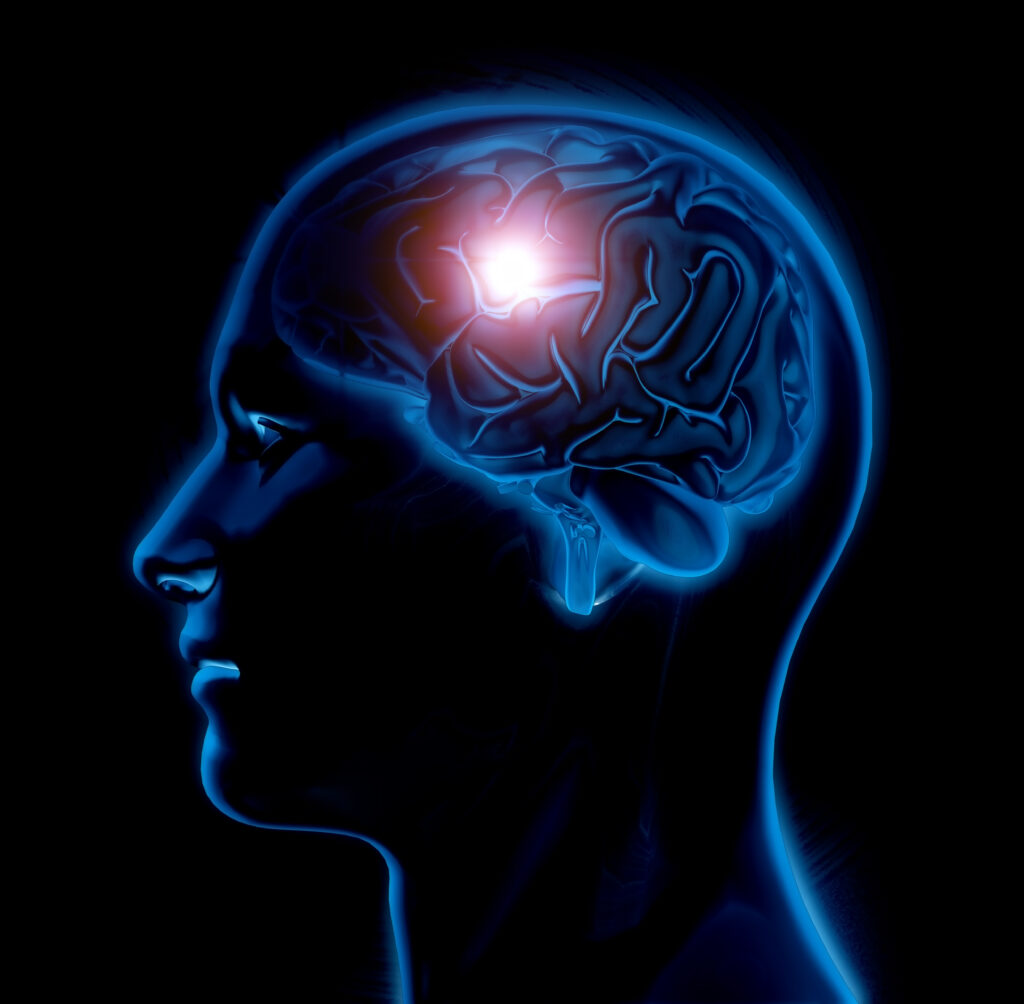
3D render of a male medical figure with brain highlighted
What Is Brain Wave Training?
Brain wave training refers to a range of techniques designed to influence, monitor, and optimize brain activity. These methods aim to help individuals improve focus, concentration, relaxation, emotional balance, sleep quality, and overall cognitive performance.
The human brain constantly produces electrical patterns known as brain waves. These waves vary in frequency and are associated with different mental states, including alertness, creativity, deep relaxation, and sleep. Brain wave training seeks to help individuals develop greater control over these patterns through specialized exercises, technologies, and behavioral techniques.
Brain wave training has gained increasing attention as people seek natural methods to enhance mental performance, reduce stress, and support overall wellness.
Understanding Brain Waves
Brain waves are electrical impulses generated by communication between neurons in the brain.
Scientists typically categorize brain waves into several frequency ranges.
Delta Waves
Delta waves are the slowest brain waves and are commonly associated with deep sleep and physical restoration.
Characteristics include:
- Deep restorative sleep
- Physical recovery
- Reduced awareness of surroundings
- Cellular repair processes
Theta Waves
Theta waves occur during states of deep relaxation, meditation, and light sleep.
They are often linked to:
- Creativity
- Intuition
- Emotional processing
- Memory consolidation
Alpha Waves
Alpha waves are present when a person is calm, relaxed, and mentally alert.
Benefits associated with alpha activity include:
- Stress reduction
- Improved focus
- Enhanced creativity
- Mental clarity
Beta Waves
Beta waves dominate during active thinking and problem-solving activities.
These waves support:
- Concentration
- Decision-making
- Analytical thinking
- Cognitive performance
Gamma Waves
Gamma waves are the fastest brain wave frequencies and are associated with higher-level information processing.
Researchers often connect gamma activity with:
- Learning
- Memory integration
- Peak mental performance
- Advanced cognitive functions
How Brain Wave Training Works
Monitoring Brain Activity
Many brain wave training methods begin by measuring brain activity using specialized sensors.
These technologies help identify brain wave patterns associated with specific mental states.
Providing Real-Time Feedback
Brain wave training often uses feedback systems that allow individuals to observe and respond to their brain activity.
Feedback may be delivered through:
- Visual displays
- Audio signals
- Computer programs
- Interactive exercises
Encouraging Desired Brain States
The goal of brain wave training is to strengthen beneficial brain wave patterns while reducing those associated with stress or distraction.
Over time, individuals may learn to regulate mental states more effectively.
Types of Brain Wave Training
Neurofeedback Training
Neurofeedback is one of the most widely recognized forms of brain wave training.
This technique provides real-time information about brain activity, allowing individuals to learn self-regulation skills.
Potential areas of improvement include:
- Focus
- Attention
- Emotional control
- Stress management
- Cognitive performance
Brainwave Entrainment
Brainwave entrainment uses rhythmic stimuli to encourage the brain to synchronize with specific frequencies.
Common methods include:
- Audio stimulation
- Visual stimulation
- Guided relaxation programs
Many people use entrainment techniques to support relaxation and concentration.
Meditation-Based Training
Meditation naturally influences brain wave activity.
Regular meditation practice may encourage:
- Increased alpha wave activity
- Improved emotional balance
- Enhanced mental clarity
- Reduced stress levels
Cognitive Training Programs
Certain cognitive exercises aim to strengthen mental functions while indirectly influencing brain wave patterns.
These programs often focus on:
- Memory improvement
- Problem-solving skills
- Attention control
- Processing speed
Benefits of Brain Wave Training
Improved Focus and Concentration
One of the most commonly reported benefits is enhanced attention and mental focus.
Brain wave training may help individuals:
- Reduce distractions
- Maintain concentration
- Improve task performance
- Increase productivity
Stress Reduction
Many training techniques encourage relaxation-related brain wave patterns.
This can support:
- Emotional stability
- Reduced anxiety
- Improved resilience
- Better stress management
Enhanced Sleep Quality
Brain wave training may promote healthier sleep patterns by encouraging relaxation and reducing mental overstimulation.
Improved sleep can contribute to:
- Better recovery
- Increased energy
- Improved mood
- Enhanced cognitive function
Greater Mental Clarity
Individuals often report improved mental clarity following consistent training.
Potential benefits include:
- Sharper thinking
- Faster decision-making
- Improved memory
- Better information processing
Consistent brain wave training may contribute to long-term improvements in cognitive performance and emotional well-being.
Brain Wave Training Applications
Students and Academic Performance
Students frequently use brain wave training to support learning and concentration.
Potential benefits include:
- Improved focus during study sessions
- Better memory retention
- Enhanced test preparation
- Reduced academic stress
Business Professionals
Professionals often seek mental performance optimization to manage demanding workloads.
Brain wave training may help improve:
- Productivity
- Strategic thinking
- Decision-making
- Workplace focus
Athletes and Performance Enhancement
Athletes increasingly incorporate mental training into their performance routines.
Brain wave training may support:
- Mental resilience
- Focus under pressure
- Visualization skills
- Performance consistency
Creative Professionals
Artists, writers, designers, and other creative individuals may benefit from mental states associated with enhanced creativity and idea generation.
Brain Wave Training Technologies
Neurofeedback Systems
Neurofeedback systems use sensors to monitor brain activity and provide immediate feedback.
These systems often include:
- Brain activity monitors
- Software platforms
- Training programs
- Performance reports
Wearable Devices
Technological advances have led to the development of wearable devices designed to monitor and support brain wave training activities.
Benefits include:
- Portability
- Convenience
- Real-time monitoring
- User-friendly interfaces
Mobile Applications
Many individuals access brain wave training programs through mobile applications.
These apps may offer:
- Guided meditation
- Audio stimulation
- Relaxation exercises
- Progress tracking
Brain Wave Training and Mental Wellness
Emotional Regulation
Brain wave training may support emotional balance by helping individuals become more aware of their mental states.
Benefits may include:
- Better emotional control
- Reduced stress responses
- Improved self-awareness
- Enhanced resilience
Mindfulness Development
Many brain wave training practices encourage mindfulness and present-moment awareness.
This can improve overall psychological well-being and reduce mental fatigue.
Cognitive Longevity
Researchers continue to explore how cognitive training and brain optimization strategies may support long-term brain health.
Maintaining mental engagement may contribute to healthy cognitive aging.
Factors That Influence Brain Wave Activity
Sleep Quality
Adequate sleep significantly impacts brain wave patterns and overall cognitive function.
Physical Exercise
Regular exercise supports brain health and may positively influence brain activity.
Nutrition
Balanced nutrition provides essential nutrients that support optimal brain performance.
Stress Levels
Chronic stress can alter normal brain wave patterns and affect cognitive performance.
Managing stress is often an important component of effective brain wave training.
Choosing a Brain Wave Training Program
Identify Personal Goals
Individuals should first determine their primary objectives.
Common goals include:
- Improved focus
- Better sleep
- Stress reduction
- Enhanced memory
- Increased productivity
Evaluate Available Methods
Different training approaches offer unique benefits.
Potential options include:
| Training Method | Primary Focus |
|---|---|
| Neurofeedback | Self-regulation |
| Meditation | Relaxation and awareness |
| Brainwave Entrainment | Frequency synchronization |
| Cognitive Training | Mental performance |
Consider Professional Guidance
Some individuals may benefit from working with trained professionals who specialize in brain training and cognitive development.
Professional support can help create personalized training strategies.
Common Misconceptions About Brain Wave Training
Instant Results
Brain wave training is often most effective when practiced consistently over time.
Meaningful improvements typically require ongoing participation.
One-Size-Fits-All Solutions
Every brain is unique.
Different individuals may respond differently to specific training techniques.
Replacing Healthy Habits
Brain wave training works best when combined with:
- Healthy sleep habits
- Physical exercise
- Proper nutrition
- Stress management
It should not be viewed as a substitute for overall wellness practices.
Future Trends in Brain Wave Training
Artificial Intelligence Integration
Artificial intelligence may help personalize training programs based on individual brain activity patterns.
Advanced Wearable Technology
Future devices may provide more accurate monitoring and real-time feedback.
Expanded Accessibility
As technology evolves, brain wave training is becoming increasingly accessible to broader audiences.
Personalized Cognitive Optimization
Customized training programs may continue to improve effectiveness and user outcomes.
Conclusion
Brain wave training represents a growing field focused on improving mental performance, emotional well-being, and cognitive health. By helping individuals better understand and influence brain activity, these techniques offer opportunities to enhance focus, reduce stress, improve sleep, and support overall mental wellness.
Whether through neurofeedback, meditation, brainwave entrainment, or cognitive training programs, brain wave training provides a structured approach to optimizing brain function. As research and technology continue to advance, brain wave training is expected to play an increasingly important role in personal development, performance enhancement, and long-term cognitive health.