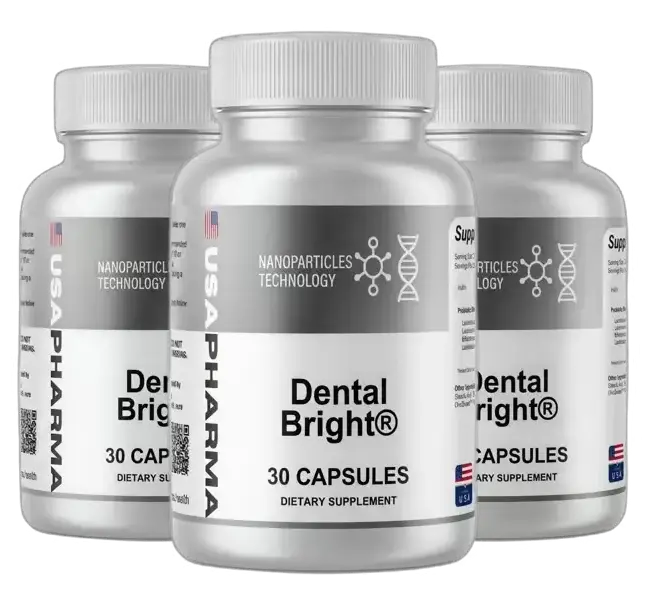
Dental Bright Daily Oral Care – Simple Daily Habits for Clean Teeth, Healthy Gums, and Fresh Breath in 2026.
A healthy smile is an important part of everyday life. Clean teeth, fresh breath, and healthy gums can help you feel comfortable when speaking, eating, working, and interacting with others. However, maintaining good oral health requires more than brushing your teeth occasionally. It involves developing consistent habits, choosing appropriate oral-care products, and understanding how everyday decisions affect your teeth and gums.
In 2026, daily oral hygiene continues to be an essential part of a healthy lifestyle. With growing awareness of preventive dental care, people are paying more attention to brushing techniques, flossing, fluoride toothpaste, tongue cleaning, hydration, and regular dental checkups.
Dental Bright Daily Oral Care represents a simple approach to maintaining clean teeth and fresh breath through practical, consistent oral hygiene habits. Whether you want to improve your morning routine, maintain healthier gums, or understand how to prevent common dental problems, establishing the right habits can make a meaningful difference.
Why Daily Oral Care Matters
Your mouth plays an important role in your overall well-being. Teeth help you chew food, support clear speech, and contribute to your facial appearance. Gums provide support for your teeth, while saliva helps protect the mouth by washing away food particles and neutralizing acids.
Without proper oral hygiene, bacteria can accumulate on the teeth and along the gumline. These bacteria contribute to dental plaque, a sticky film that forms naturally on tooth surfaces.
When plaque is not removed regularly, it can contribute to several oral health problems, including:
- Tooth decay and cavities.
- Gum inflammation and gingivitis.
- Persistent bad breath.
- Tartar buildup.
- Increased risk of gum disease.
- Tooth sensitivity and discomfort.
A consistent daily oral care routine helps reduce plaque accumulation and supports healthier teeth and gums.
The purpose of Dental Bright Daily Oral Care is to encourage simple, manageable habits that can become part of your everyday schedule. Instead of relying on occasional intensive cleaning, focus on maintaining your teeth and gums through regular preventive care.
Build a Consistent Morning Oral Care Routine
The morning is an excellent time to establish healthy oral hygiene habits. After waking up, your mouth may feel dry because saliva production generally decreases during sleep.
A proper morning routine helps remove overnight plaque accumulation, freshen your breath, and prepare your mouth for the day.
Consider following these steps:
Brush Your Teeth Properly
Start your morning by brushing your teeth with a fluoride toothpaste and a soft-bristled toothbrush.
Dentists generally recommend brushing twice daily for approximately two minutes each time.
Use gentle, controlled movements rather than applying excessive pressure. Position the toothbrush toward the gumline and clean the outer, inner, and chewing surfaces of your teeth.
Avoid rushing through the process. Giving attention to every section of your mouth helps ensure more complete cleaning.
Clean Your Tongue
The tongue can collect bacteria, food particles, and other substances that contribute to unpleasant breath.
Gently clean your tongue using a toothbrush or tongue cleaner. Work from the back toward the front without applying excessive pressure.
Tongue cleaning can be a useful addition to your oral hygiene routine, particularly if you frequently experience an unpleasant taste or morning breath.
Clean Between Your Teeth
A toothbrush cannot effectively reach every space between teeth. Dental floss or another suitable interdental cleaning tool can help remove trapped food and plaque from these areas.
Cleaning between your teeth once daily is an important part of preventive oral care.
Drink Water
Water helps maintain moisture in your mouth and supports normal saliva production.
Drinking water after waking up is a simple habit that can help you stay hydrated throughout the day.
Choose the Right Toothbrush and Toothpaste
Selecting appropriate oral-care products is an important part of maintaining healthy teeth.
With so many dental products available, choosing the right options can sometimes feel confusing. However, you do not necessarily need an expensive collection of products to maintain good oral hygiene.
Selecting a Toothbrush
A soft-bristled toothbrush is generally recommended for everyday cleaning.
Soft bristles can help remove plaque while reducing unnecessary irritation to the gums.
When selecting a toothbrush, consider the following features:
- Soft bristles.
- A comfortable handle.
- A head size that fits your mouth.
- Easy access to the back teeth.
- A design that allows controlled brushing.
Both manual and electric toothbrushes can be effective when used correctly.
An electric toothbrush may be helpful for people who have difficulty maintaining consistent brushing movements. Some models also include timers and pressure sensors.
Regardless of which type you choose, replace your toothbrush or toothbrush head approximately every three to four months, or sooner if the bristles become visibly worn.
Choosing Fluoride Toothpaste
Fluoride toothpaste is an important component of everyday dental hygiene.
Fluoride helps strengthen tooth enamel and makes teeth more resistant to acid attacks associated with tooth decay.
When choosing toothpaste, consider:
- Whether it contains fluoride.
- Whether it is appropriate for your age.
- Whether it addresses specific dental needs.
- Whether it has been recommended by your dentist.
Some toothpaste products are marketed for whitening, sensitivity, tartar control, or fresh breath. These products may address particular concerns, but they should not replace regular brushing and professional dental advice.
For most people, a suitable fluoride toothpaste is a practical everyday choice.
Understand the Importance of Flossing
Brushing is essential, but it does not clean every surface of your teeth.
Food particles and plaque can accumulate between neighboring teeth, particularly in areas where a toothbrush cannot reach easily.
This is why interdental cleaning should be included in a complete oral hygiene routine.
Dental floss is one commonly used option. Interdental brushes and water flossers may also be suitable depending on the spacing between your teeth and individual dental needs.
How to Use Dental Floss
Follow these general steps:
- Take an appropriate length of dental floss.
- Gently guide it between two teeth.
- Curve the floss around one tooth.
- Move it carefully along the tooth surface and beneath the gumline.
- Repeat the process along the neighboring tooth.
- Use a clean section of floss for the next space.
Avoid forcing floss into tight spaces, as this can irritate or injure your gums.
If you experience persistent bleeding, discomfort, or difficulty cleaning between your teeth, ask your dentist for guidance.
Benefits of Interdental Cleaning
Cleaning between teeth can help:
- Remove plaque from difficult-to-reach areas.
- Reduce food accumulation.
- Support healthier gums.
- Improve overall oral cleanliness.
- Complement regular toothbrushing.
Making interdental cleaning a daily habit can improve the effectiveness of your overall dental hygiene routine.
Maintain Fresh Breath Throughout the Day
Fresh breath is an important part of personal hygiene. However, unpleasant breath can sometimes occur even when people brush their teeth regularly.
Bad breath, also known as halitosis, can have several causes.
Common contributing factors include:
- Bacteria accumulating on the tongue.
- Food particles trapped between teeth.
- Dry mouth.
- Certain foods and beverages.
- Tobacco use.
- Poor oral hygiene.
- Gum disease or dental infections.
Some medical conditions and medications can also contribute to persistent bad breath.
Clean Your Tongue Regularly
The tongue’s surface can collect bacteria and debris. Gentle daily tongue cleaning may help reduce odor-causing substances.
Stay Hydrated
A dry mouth can contribute to unpleasant breath because saliva helps wash away food particles and maintain the natural balance of the oral environment.
Drink water regularly throughout the day.
Maintain Consistent Oral Hygiene
Brush twice daily, clean between your teeth once daily, and pay attention to your tongue.
These simple habits help reduce the accumulation of substances that can contribute to bad breath.
Avoid Relying Only on Breath Mints
Breath mints and chewing gum may temporarily improve breath freshness, but they do not remove dental plaque or treat underlying dental problems.
Sugar-free gum may stimulate saliva production, but it should be viewed as an additional habit rather than a substitute for brushing and flossing.
If bad breath continues despite good oral hygiene, arrange a dental examination to identify the underlying cause.
Understand the Role of Diet in Dental Health
Your food and beverage choices can influence the condition of your teeth.
Frequent exposure to sugary foods and drinks can increase the risk of tooth decay. Bacteria in dental plaque use sugars to produce acids that can weaken tooth enamel.
A balanced diet supports general health and contributes to better oral health.
Choose Tooth-Friendly Foods
Consider including a variety of nutritious foods in your daily meals:
Fresh vegetables: Vegetables provide important nutrients and can be part of a balanced eating pattern.
Whole fruits: Whole fruits provide fiber, vitamins, and minerals. They are generally a better everyday choice than frequently consuming sugary fruit drinks.
Dairy products: Milk, cheese, and plain yogurt provide nutrients such as calcium and phosphorus that support normal tooth and bone health.
Protein-rich foods: Eggs, fish, beans, and other protein sources contribute to a balanced diet.
Water: Water helps maintain hydration and can wash away some food particles.
Reduce Frequent Sugary Snacks
Eating sugary foods frequently throughout the day can increase the number of acid attacks affecting your teeth.
Try to limit frequent consumption of:
- Sugary sweets.
- Candy.
- Sweetened soft drinks.
- Sugary energy drinks.
- Frequent desserts.
- Sweetened packaged beverages.
You do not need to approach food choices with unnecessary strictness. Focus on balanced meals and reducing the frequency of sugary snacks and drinks.
Be Careful With Acidic Drinks
Acidic beverages, including some fruit juices and carbonated drinks, can contribute to enamel erosion when consumed frequently.
After consuming an acidic drink, rinse your mouth with water.
Avoid brushing immediately after acidic exposure. Waiting around 30 to 60 minutes gives saliva time to help restore the mouth’s natural balance.
Protect Your Gums With Proper Dental Bright Daily Oral Hygiene
Healthy gums are just as important as clean teeth.
Dental Bright support the teeth and help protect the underlying structures of the mouth.
One common early gum condition is gingivitis, which involves gum inflammation.
Possible signs include:
- Red or swollen gums.
- Bleeding during brushing or flossing.
- Gum tenderness.
- Persistent bad breath.
If gingivitis is not addressed, it may progress to more serious gum disease in some people.
Tips for Supporting Gum Health
Brush along the gumline: Use gentle movements to clean where the teeth meet the gums.
Clean between your teeth: Interdental cleaning helps remove plaque from areas that are difficult to reach with a toothbrush.
Avoid aggressive brushing: Excessive pressure can irritate the gums and contribute to tooth wear.
Attend dental checkups: Regular examinations help identify gum problems before they become more complicated.
Avoid tobacco: Tobacco use increases the risk of gum disease and can negatively affect oral health.
If you experience persistent bleeding, swelling, or gum discomfort, consult a dental professional rather than assuming it is normal.
Common Oral Hygiene Mistakes to Avoid
Even people who brush their teeth every day can make mistakes that reduce the effectiveness of their oral care routine.
Understanding these habits can help improve everyday dental hygiene.
Brushing Too Quickly
Brushing for only a few seconds may leave plaque on several tooth surfaces.
Aim for two minutes of brushing twice daily.
Using Excessive Pressure
Pressing a toothbrush too firmly against your teeth does not necessarily produce better cleaning.
It may irritate your gums and contribute to unnecessary tooth wear.
Choose a soft-bristled toothbrush and use gentle movements.
Forgetting to Clean Between Teeth
Many people focus exclusively on brushing.
However, interdental cleaning is necessary because toothbrush bristles cannot effectively reach every space.
Skipping Nighttime Brushing
Nighttime brushing is particularly important because food particles and plaque can remain on your teeth during sleep.
Brush before going to bed, even after a busy day.
Using Too Many Whitening Products
Some whitening products may cause tooth sensitivity or gum irritation if used incorrectly.
Avoid excessive whitening treatments and consult your dentist before starting a whitening procedure, particularly if you have existing dental problems.
Ignoring Dental Symptoms
Tooth pain, persistent sensitivity, swollen gums, and ongoing bad breath should not be ignored.
Early dental assessment can help identify problems and prevent complications.
Read more – Dental Bright Official Website
The Importance of Regular Dental Checkups
Dental Bright daily oral care is essential, but home hygiene alone cannot identify every dental problem.
Professional dental examinations help assess your teeth, gums, and overall oral health.
Your dentist may recommend professional cleaning, X-rays when appropriate, or other preventive treatments depending on your individual needs.
Why Dental Visits Matter
Regular dental appointments can help:
- Identify cavities at an early stage.
- Monitor gum health.
- Detect signs of enamel damage.
- Assess existing dental restorations.
- Identify potential oral health concerns.
- Receive personalized hygiene recommendations.
Not everyone needs the same appointment schedule. The appropriate frequency depends on individual risk factors, dental history, and professional recommendations.
Some people benefit from more frequent visits, while others may need less frequent appointments.
Do not wait until a dental problem becomes painful before seeking professional advice.
Create an Easy Daily Oral Care Schedule
One of the best ways to improve dental hygiene is to follow a routine that is simple enough to maintain.
You do not need an unnecessarily complicated collection of products or procedures.
A practical schedule can help you stay consistent.
Morning Routine
- Brush your teeth for two minutes using fluoride toothpaste.
- Clean your tongue gently.
- Clean between your teeth if that is the most convenient time for your daily interdental cleaning.
- Drink water.
- Enjoy a balanced breakfast.
Afternoon Routine
- Drink water regularly.
- Avoid frequent sugary snacks and beverages.
- Rinse with water after meals when convenient.
- Use sugar-free gum if appropriate to help stimulate saliva.
Evening Routine
- Clean between your teeth if you have not already done so.
- Brush for two minutes with fluoride toothpaste.
- Spit out the toothpaste rather than immediately rinsing with water.
- Avoid eating afterward when possible.
The most important thing is consistency. A manageable daily routine is more useful than an elaborate routine that is difficult to maintain.
Oral Care for Different Age Groups
Dental hygiene needs can change throughout life.
A good oral care routine should reflect a person’s age, dental development, and individual health requirements.
Children’s Oral Care
Children should develop healthy dental habits early.
Parents and caregivers can help by supervising brushing and ensuring that children use age-appropriate fluoride toothpaste in the recommended amount.
Young children may not have the coordination needed to brush every tooth surface effectively.
Regular pediatric dental visits can help monitor tooth development and identify potential problems.
Teenagers and Young Adults
Teenagers may experience changes in oral hygiene needs because of orthodontic treatment, changing diets, and busy daily schedules.
People wearing braces should follow their orthodontist’s cleaning recommendations because food and plaque can accumulate around brackets and wires.
Maintaining regular brushing and interdental cleaning is especially important.
Adults
Adults should maintain consistent preventive care, including fluoride toothpaste, daily interdental cleaning, and professional dental examinations.
Dental sensitivity, gum changes, and existing restorations may require individualized care.
Older Adults
Older adults may experience dry mouth, gum recession, tooth sensitivity, and difficulties cleaning around dental restorations.
Some medications can also reduce saliva production.
A dentist can recommend appropriate products and techniques to support oral health as needs change.
How to Manage Common Dental Concerns
Understanding common dental concerns can help you recognize when professional advice is necessary.
Tooth Sensitivity
Tooth sensitivity may occur when exposed areas of a tooth respond to cold, hot, sweet, or acidic substances.
Possible contributing factors include enamel erosion, gum recession, cavities, and dental damage.
Desensitizing toothpaste may help some people, but persistent or severe sensitivity should be evaluated by a dentist.
Plaque and Tartar
Plaque is a sticky bacterial film that forms on teeth.
Regular brushing and interdental cleaning help remove plaque before it hardens.
When plaque becomes hardened tartar, it generally requires professional dental cleaning.
Avoid trying to scrape tartar from your teeth using sharp objects or household tools.
Dry Mouth
Dry mouth occurs when saliva production is reduced or the mouth does not remain sufficiently moist.
Possible causes include dehydration, medications, and certain health conditions.
Drinking water, using appropriate sugar-free products, and discussing persistent symptoms with a healthcare professional may help.
Persistent Bad Breath
Occasional bad breath is common, but persistent unpleasant breath may indicate an underlying problem.
Possible causes include gum disease, cavities, dry mouth, infections, and certain medical conditions.
A dental examination is a useful starting point when the problem does not improve with consistent oral hygiene.
Does Mouthwash Need to Be Part of Your Routine?
Mouthwash can be a useful additional oral-care product, but it is not essential for everyone.
Different mouthwashes are designed for different purposes.
Some contain fluoride to help prevent tooth decay, while others are formulated to reduce plaque or temporarily freshen breath.
When selecting a mouthwash, consider your dental needs and professional recommendations.
Important Mouthwash Tips
- Choose a product appropriate for your needs.
- Follow the instructions on its packaging.
- Avoid swallowing mouthwash.
- Ask your dentist whether a therapeutic mouthwash is appropriate.
- Do not use mouthwash as a replacement for brushing and interdental cleaning.
If you use fluoride toothpaste, avoid immediately rinsing your mouth with water or mouthwash after brushing, because this can wash away some of the concentrated fluoride left on your teeth.
If you need a mouthwash, your dentist can advise you on the best timing.
The Connection Between Oral Health and Overall Well-Being
Oral health is an important part of general health.
The mouth is connected to the rest of the body, and oral conditions can influence eating, speaking, comfort, and quality of life.
For example, untreated dental pain can make chewing difficult, while gum disease can affect the tissues supporting your teeth.
Some health conditions and medications can also influence oral health.
This is why maintaining good dental hygiene should be viewed as part of an overall preventive healthcare routine.
A healthy lifestyle that includes balanced nutrition, adequate hydration, avoiding tobacco, and regular healthcare appointments can support general well-being.
Remember that good oral hygiene does not guarantee protection from every dental condition. Genetics, medical history, medications, and other individual factors can also influence dental health.
Practical Dental Hygiene Tips for 2026
As oral health awareness continues to grow, people are increasingly interested in practical ways to improve their daily routines.
Here are some useful habits to prioritize in 2026.
Use fluoride toothpaste: Choose a suitable fluoride toothpaste to help protect tooth enamel.
Follow the two-minute rule: Brush twice daily for approximately two minutes.
Choose soft bristles: Use a comfortable soft-bristled toothbrush to clean gently.
Clean between teeth: Make flossing or another suitable interdental cleaning method part of your daily routine.
Clean your tongue: Gently remove surface debris that may contribute to unpleasant breath.
Drink sufficient water: Maintain hydration and support normal saliva production.
Reduce frequent sugar exposure: Limit repeated consumption of sugary snacks and drinks.
Avoid tobacco: Protect your gums and overall oral health by avoiding tobacco products.
Replace worn toothbrushes: Change your toothbrush or brush head approximately every three to four months.
Visit your dentist: Follow a professional checkup schedule based on your individual needs.
Pay attention to warning signs: Seek professional advice for persistent pain, swelling, bleeding, or sensitivity.
These habits are straightforward, affordable, and practical for people who want to maintain clean teeth and fresh breath.
How to Make Oral Care a Long-Term Habit
Knowing what to do is one thing. Following the routine consistently is another.
Busy schedules, travel, school, work, and changing daily activities can sometimes make it difficult to maintain regular oral hygiene.
The best solution is to make oral care a natural part of your everyday schedule.
Keep Your Essentials Accessible
Store your toothbrush, fluoride toothpaste, and floss in a convenient place.
Having everything ready can make your routine easier to follow.
Connect Oral Care With Existing Habits
Brush your teeth after waking up and before going to bed.
Linking oral hygiene to established daily activities makes it easier to remember.
Use a Reminder if Necessary
A simple phone reminder can help you maintain consistency, particularly if you frequently forget nighttime brushing.
Replace Products on Time
Keep track of when you replace your toothbrush or toothbrush head.
Worn bristles may not clean as effectively as a toothbrush in good condition.
Focus on Consistency Rather Than Complexity
You do not need dozens of oral-care products.
Focus on the essential habits recommended by dental professionals and add other products only when they address a specific need.
Frequently Asked Questions About Daily Oral Care
How many times should I brush my teeth daily?
Most people should brush their teeth twice daily for approximately two minutes each time using fluoride toothpaste.
Is flossing necessary if I brush regularly?
Yes. Brushing cannot effectively clean every space between teeth. Daily interdental cleaning helps remove plaque and food particles from these areas.
What is the best toothpaste for daily oral care?
For most people, a suitable fluoride toothpaste is an effective everyday option. People with sensitivity or other specific concerns may benefit from specialized products recommended by a dentist.
How can I maintain fresh breath naturally?
Brush twice daily, clean between your teeth, gently clean your tongue, drink water regularly, and maintain healthy eating habits.
If unpleasant breath persists, consult a dentist to investigate possible underlying causes.
How often should I replace my toothbrush?
Replace your toothbrush or electric toothbrush head approximately every three to four months, or sooner if the bristles become worn.
Can mouthwash replace brushing?
No. Mouthwash can complement your routine, but it cannot replace brushing with fluoride toothpaste and daily interdental cleaning.
Is electric brushing better than manual brushing?
Both manual and electric toothbrushes can clean teeth effectively when used correctly. Electric models may provide helpful features such as timers and pressure sensors.
Why do my gums bleed when I brush?
Bleeding gums may be associated with gum inflammation or other dental conditions. Persistent bleeding should be evaluated by a dentist.
Can drinking water help with fresh breath?
Yes. Water helps maintain hydration and supports saliva production, which helps keep the mouth clean.
Are professional dental cleanings necessary?
Professional cleaning can remove hardened tartar that cannot be removed through normal brushing. Your dentist can recommend an appropriate cleaning schedule based on your oral health.
Conclusion: Make Dental Bright Daily Oral Care Part of Your Lifestyle
Maintaining clean teeth, healthy gums, and fresh breath does not require a complicated routine. The most effective approach is to develop consistent oral hygiene habits and follow them every day.
Dental Bright Daily Oral Care highlights the importance of brushing twice daily with fluoride toothpaste, cleaning between teeth, gently cleaning the tongue, drinking water, choosing balanced meals, and attending regular dental checkups.
Small habits can make a meaningful difference when practiced consistently. By understanding your oral health needs and following appropriate preventive care recommendations, you can support healthier teeth and gums throughout 2026 and beyond.