Before you ever started shipping cargo into the U.S., have you ever wondered whether you just required a way to go from a port to a factory? Trade isn’t always that simple! With customs regulations, import documentation and transportation all being part of the process, a tricky process is involved in getting the cargo where you want it. Imported cargo? Bonded transloading might be the best option!
What Is Bonded Transloading? Well, bonded transloading is moving goods that are imported from one mode of shipping to another container or mode of transportation while still under the watchful eye of U.S. Customs and Border Protection (CBP). Put another way, it allows you to leave your goods in customs control while they are being moved to another location. This can help you get goods from a port to an approved location prior to completing customs entry.
Knowing how this works can help you make more informed decisions about handling, transporting and storing your cargo.
1. What Is Bonded Transloading?
The key is bonded transloading. With this solution, your imported cargo can be shifted but still remain in the custody of CBP, a U.S. government agency tasked with managing imports and customs regulations.
The difference with standard transloading is that the customs clearance process can be used. This means the products can stay in an approved customs-controlled state until the customs formalities are met. As an example: if you receive a shipment in the Port of Long Beach but want to move the goods to an approved bonded warehouse, you can in the form of customs procedures under specific customs rules.
2. How Does Bonded Transloading Work?
Here’s a step-by-step overview of how bonded transloading works and what requirements customs and transportation need to meet for it to be successful:
Step 1: Cargo Arrives at the Port
Your import shipment is arriving in an ocean shipping container at the Port of Long Beach, which has customs requirements in addition to the customs process. They will potentially require the commodities to stay under customs control.
Step 2: Customs Documentation and Authorization
Either you, your customs broker or an authorized logistics provider will take care of the documentation and permissions. The shipment must satisfy all the relevant demands, in order to pass across through a bonded transportation route.
Step 3: Container Pickup and Transportation
A licensed shipping agent will be responsible for transferring the loaded container from the port to an authorized bonded warehouse. Remember that this transfer needs to comply with the specific customs procedures that apply to your product-this is not just an ordinary container pickup.
Step 4: Cargo Transfer at the Bonded Facility
Upon entering the approved facility, cargo can be moved from the ocean container to another vessel or container of transportation, based on what has been approved. Further handling could include packaging, arranging or preparing cargo to move on to the next leg of transportation.
Step 5: Customs Clearance and Distribution
When it has been cleared through customs and you have obtained a release order, the products are now ready to be delivered into the market. This is the point when it can be shipped to stock rooms, wholesalers, resellers or other commercial venues.
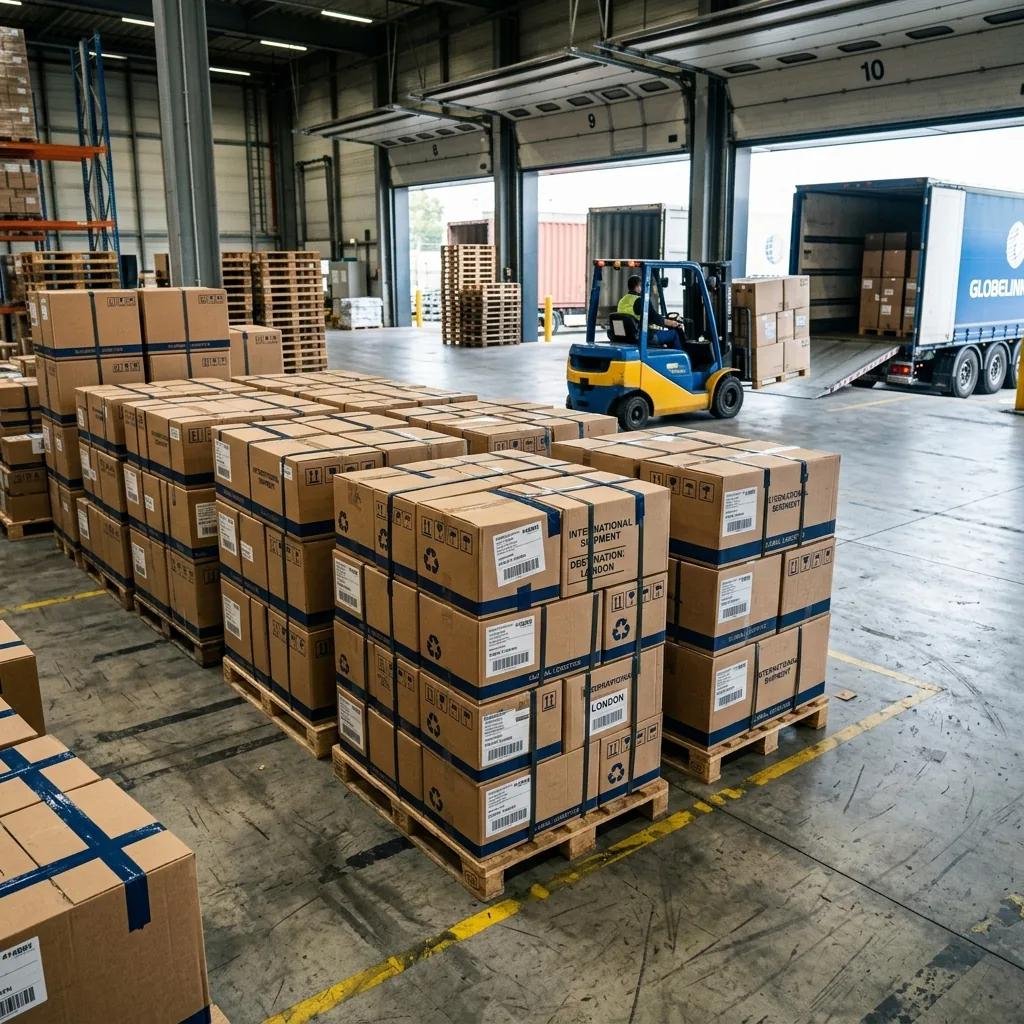
3. What Is the Role of a Bonded Warehouse?
A bonded warehouse is a location where the CBP allows for imported goods to be stored, while the government collects its applicable duty and tax. A duty is the amount of money the government levies on certain imported goods.
Bonded warehouses provide several benefits for eligible importers:
-
The duty can be paid later when goods are still in bonded warehouse.
-
Smarter inventory planning: Keep products you import into a storage until you distribute it.
-
Flexible movement of cargo: Goods are capable of movement through an authorized customs process to another authorized location.
-
Re-export: Import goods to re-export them without going through U.S. domestic commerce – however, certain rules do apply.
But don’t assume that just because you’re doing a transload operation, the warehouse being used is a bonded warehouse. Verify the license at that particular warehouse.
4. When Do Importers Need Bonded Transloading?
Bonded transloading is useful when you need to shift or reload the cargo prior to the completion of customs clearance. This is typically needed:
-
When cargo has to be transferred to another port: For example, if cargo should be diverted to an approved bonded warehouse for storage.
-
A situation where the importer wants to delay paying duty: If eligible, importers can use bonded warehousing to hold off paying the duties when you clear the goods for home use.
-
Some cargo requires being moved into other transportation equipment if they are going to another location.
-
If you want to send your goods to another country, you may use approved bonded procedures which hold the eligible goods under customs supervision.
5. How the Port of Long Beach Supports Bonded Import Logistics
For international cargo into the United States, the Port of Long Beach is one of the main points of entry. Importers depend on the Port of Long Beach to bring them goods that will be later dispersed throughout the country.
Transit with bonded handlings. For cargo that needs bonded handling, transportation and warehousing needs to work together. Transload services are available at the Port of Long Beach to assist in offloading and warehousing the cargo to a facility; just make sure that the facility and trucking can comply with all customs.
Coordinate your container pickup, transportation, warehouse handling and cargo movement by working with a logistics partner with port experience.
6. What criteria does a company have to satisfy in an importer’s mind when it comes to hiring a bond transloading services partner?
Prior to selecting a logistics provider, it is a good idea to consider a few things:
-
Facility approval: Confirm that the facility has the appropriate CBP approval for the bonded operation you require.
-
Transportation compliance: Is the provider able to purchase customs-compliant transportation for your cargo?
-
Cargo handling: Confirm the factory has the capacity for the size, weight, package, and handling.
-
Documentation: Determine who will work with the customs broker and who will be responsible for the necessary transportation documents.
-
Think about the distance from the port of entry to the final destination.
-
Service coordination: Check whether your provider is capable of coordinating drayage, transloading, warehousing, and ultimate distribution.
Doing these checks may save you time at the border and help you identify a logistics solution that suits your import.
Conclusion
Bonded transload is one of those tools, allowing importers to handle, move and transfer cargo while it remains in customs control. It also offers duty deferral, approved cargo transfers, storage-in-transit and re-export planning.
Keep in mind, bonded transloading needs that your freight be approved in the right facility, have transportation lined up, and have customs documentation along the way. You’ll want to understand the details prior to choosing your logistics provider.
Partnering with an expert logistics company can ease the process of moving cargo and coordinating your warehouse. Bee Imagine offers drayage, transloading, warehousing, and custom logistics that will be of service to your importing and distribution processes. View our Port of Long Beach Transload services to get started!
Contact Us
Bee Imagine
-
Website: https://www.beeimagine.com/
-
Phone: (310) 407-9219
-
Email: sales@beeimagine.com
-
Warehouse Locations: Irwindale, Fontana, and Gardena, California.