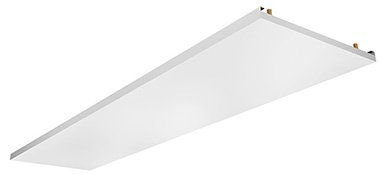
Radiant heat represents a modern approach to warming spaces by utilising infrared radiation to directly heat surfaces and objects. Unlike conventional systems that rely on air convection, this technology delivers targeted and efficient warmth. Its application spans domestic and commercial settings, offering a versatile solution for varied environments. As energy efficiency and sustainability become increasingly significant, infrared heating is gaining recognition for its ability to reduce energy consumption while maintaining comfort. The technology’s innovative method of heat transfer, combined with its potential environmental benefits, highlights its relevance in addressing contemporary heating needs.
Understanding Infrared Heating Technology
Infrared heating technology functions by emitting infrared radiation, a form of energy that lies within the electromagnetic spectrum. Unlike conventional systems that heat the air, this method transfers heat directly to surfaces and objects, enabling efficient energy use. Infrared heaters convert electrical energy into heat, which is absorbed by the surroundings without the need for air circulation. This targeted heat transfer ensures quick and consistent warmth. The process mimics the natural heat experienced from sunlight, offering a comfortable and effective heating solution.
The Science behind Infrared Heating
Infrared heating operates by emitting electromagnetic radiation within the infrared spectrum, which transfers heat energy directly to objects and surfaces. This method bypasses the air, allowing warmth to be absorbed efficiently without relying on convection currents.
The process begins with infrared heaters converting electrical energy into infrared radiation. When this radiation contacts surfaces, it excites molecules, generating heat that is retained longer than air-heated spaces. This direct method ensures minimal energy loss during heat transfer.
Infrared heating also replicates the warming effect of sunlight, providing natural and evenly distributed warmth. The absence of air movement reduces the circulation of dust and allergens, contributing to cleaner indoor environments. These scientific principles demonstrate how infrared heating achieves targeted and efficient warmth while minimising unnecessary energy use, making it a distinctive option compared to conventional heating systems.
Benefits of Infrared Heating
Infrared heating provides a range of benefits, particularly in terms of efficiency and comfort. By directly transferring heat to objects and surfaces, it reduces energy wastage associated with traditional air-based systems. This efficient mechanism can lower energy consumption and operational costs. The absence of air circulation ensures that dust and allergens are not dispersed, promoting a healthier indoor environment.
Moreover, infrared heating delivers consistent warmth that does not dry out the air, maintaining natural humidity levels. Its ability to provide targeted heat also makes it suitable for spaces requiring focused warmth. Additionally, the silent operation of infrared systems enhances comfort in residential and commercial environments. These features collectively make infrared heating an effective and practical option for achieving a comfortable, clean, and energy-efficient indoor climate.
Infrared Heating in Domestic Settings
Infrared heating is increasingly utilised in domestic spaces due to its efficiency and versatility. Panels designed for infrared heating can be mounted on walls or ceilings, allowing seamless integration into various interior designs. Their slim and discreet construction ensures they do not disrupt the aesthetic appeal of living areas.
This technology is particularly beneficial in areas such as bathrooms and kitchens, where rapid and consistent warmth is often required. Infrared heating systems provide targeted heat, ensuring comfort without excessive energy use. Unlike conventional systems, they maintain natural humidity levels, contributing to a comfortable indoor environment.
In addition to functionality, the silent operation of infrared heating systems enhances their suitability for homes. Their ability to provide reliable and efficient warmth makes them an appealing option for both new builds and retrofit applications in domestic settings.
Infrared Heating for Commercial Use
Infrared heating provides an efficient solution for diverse commercial applications, including offices, warehouses, and industrial facilities. By delivering direct heat to specific areas, it ensures consistent warmth without relying on extensive air circulation systems. This precision allows for targeted heating in large or segmented spaces, reducing energy waste and operating costs.
In environments such as retail spaces or workshops, infrared heating enhances comfort by evenly distributing heat and maintaining natural humidity levels. Its silent operation also creates a more conducive atmosphere for productivity.
Furthermore, the absence of moving parts reduces maintenance requirements, making it a practical choice for long-term use in commercial settings. The adaptability of infrared systems allows for seamless integration into existing or newly developed commercial properties.
Environmental Impact of Infrared Heating
Infrared heating offers notable environmental advantages due to its efficient energy usage and minimal waste. By directly heating objects and surfaces instead of the air, this technology reduces energy consumption, aligning with sustainable energy practices. Unlike traditional heating systems, infrared heaters produce no harmful emissions during operation, contributing to a lower carbon footprint.
Additionally, the absence of moving parts minimises energy loss, enhancing overall efficiency. The precise heat delivery further reduces unnecessary energy use, supporting environmentally responsible heating solutions.
Installation and Maintenance of Radiant Heat
Proper installation of radiant heat systems is essential for optimal performance and efficiency. The placement of the panels should ensure direct exposure to the areas requiring warmth, avoiding obstructions that could block the heat. Ceiling or wall-mounted configurations are commonly utilised to maximise coverage while saving space.
Maintenance requirements for infrared heating systems are minimal, as they contain no moving parts. Regular cleaning of the panel surfaces is recommended to maintain efficient heat transfer. Ensuring electrical connections remain secure helps to prevent any operational issues. Periodic inspections can identify potential concerns, such as damage or wear, allowing timely resolution.
Adherence to manufacturer guidelines during installation and maintenance is critical to ensure safety and long-lasting performance. Following these practices supports the reliable operation of the system while maintaining its energy efficiency and heating effectiveness over time.
Safety Considerations with Infrared Heating
Infrared heating systems are designed with safety features to promote secure and efficient operation. These include built-in temperature controls to prevent overheating and protective casings that shield the heating elements. Ensuring proper placement of the system is vital to avoid heat obstruction or contact with flammable materials.
Clearances around the heaters should be maintained to minimise risks, and it is essential to keep the panels clean to ensure effective heat transfer. Electrical connections must be installed and inspected according to professional standards to guarantee safe use.
When used correctly and in accordance with relevant safety guidelines, infrared heating systems provide a reliable heating solution while maintaining a secure environment in both residential and commercial settings.
Infrared Heating and Building Regulations
Infrared heating installations must comply with building regulations to ensure safety, energy efficiency, and proper functionality. Regulations typically cover aspects such as electrical safety, fire resistance, and appropriate placement of heating panels. For instance, clearances around the system are often required to reduce risks and optimise performance.
In new construction or renovation projects, adherence to standards ensures the heating system integrates seamlessly with other building elements. Additionally, compliance with energy performance requirements helps promote sustainable practices. Professional installation is often necessary to meet regulatory demands, ensuring that all wiring and connections adhere to local codes.
By meeting these standards, infrared heating systems contribute to a safe and efficient indoor environment, aligning with modern building expectations.
Innovations in Infrared Heating Technology
Advancements in infrared heating technology have significantly improved its performance and versatility. Modern systems now incorporate smart controls, enabling precise temperature regulation and integration with automated home systems. Innovations in materials have led to the development of slimmer, more aesthetically appealing panels, blending seamlessly into various interior designs.
Additionally, research into enhanced energy efficiency has resulted in systems that consume less power while delivering consistent warmth. Infrared heaters with zoned heating capabilities have also emerged, allowing tailored heat distribution across specific areas.
These developments highlight the continuous evolution of infrared heating, making it increasingly adaptable for both domestic and commercial applications. The focus on combining functionality with efficiency ensures that infrared heating remains a forward-thinking choice in modern heating solutions.
Cost Analysis of Infrared Heating
The cost analysis of infrared heating involves examining both initial and operational expenses. While the upfront investment for infrared systems can be higher compared to some traditional heating options, the long-term operational savings often justify this cost. Infrared systems are highly energy-efficient, as they directly heat objects and surfaces, reducing energy wastage and lowering utility bills. Additionally, minimal maintenance requirements contribute to reduced ongoing costs.
The durability and efficiency of infrared heating systems ensure they provide a cost-effective solution over time. The financial benefits are particularly evident in spaces where precise and consistent heating is required, making them an economically sound choice for various applications. Carefully evaluating the cost implications can highlight the value of this advanced heating technology.
Consumer Considerations for Infrared Heating
Selecting an infrared heating system requires careful evaluation of specific factors to ensure suitability and efficiency. The dimensions and layout of the space significantly influence the choice, as larger areas may require higher-capacity systems or multiple panels. Consideration of placement, such as wall or ceiling mounting, is important to optimise heat distribution without obstructing functionality or design.
The compatibility of the system with energy-saving features, such as smart controls, can enhance convenience and efficiency. Additionally, prioritising systems that align with long-term energy goals and heating demands ensures a practical and sustainable heating solution for diverse applications.
Conclusion
Radiant heat represents a transformative approach to indoor climate management across Australia, utilising electromagnetic radiation to directly warm objects, surfaces, and individuals rather than circulating heated air. By bypassing convective currents, this advanced technology eliminates unnecessary energy loss, minimises dust circulation, and maintains optimal indoor humidity levels. Supported by minimal maintenance requirements, sleek wall or ceiling mounting options, and seamless smart control integration, infrared heating systems deliver exceptional energy efficiency and targeted comfort. Ultimately, this innovative heating method provides an environmentally responsible, cost-effective, and sustainable solution for both residential and commercial properties throughout Australia.
FAQs
How does radiant heat work differently from traditional convection systems?
Radiant heat emits electromagnetic radiation that transfers thermal energy directly to objects, surfaces, and people within a space. Unlike conventional convective systems that warm the surrounding air, this direct approach bypasses air circulation, resulting in faster warmth, reduced energy waste, and minimised allergen dispersion for homes across Australia.
What are the primary environmental and health benefits of using infrared heaters?
Infrared heaters significantly reduce energy consumption by eliminating the need to heat large volumes of air, lowering carbon footprints. Furthermore, because they operate without fans or forceful air currents, they prevent the circulation of indoor dust, pollen, and microscopic allergens, fostering a much cleaner and healthier living environment throughout Australia.
Can infrared heating panels be easily integrated into domestic or commercial interiors?
Yes, modern infrared heating panels feature sleek, discreet designs that mount seamlessly onto walls or ceilings. Their unobtrusive profiles allow them to blend effortlessly into diverse architectural styles and interior decors, providing efficient, targeted warmth without occupying valuable floor space in residential and commercial properties across Australia.
Do infrared heating systems require extensive ongoing maintenance or servicing?
Infrared heating systems require minimal ongoing maintenance because they contain no moving parts or mechanical motors that wear out over time. Routine upkeep simply involves wiping the exterior panel surfaces occasionally to remove accumulated dust, ensuring optimal heat transfer and long-term operating efficiency for users across Australia.
Are infrared heating systems compliant with modern building and energy regulations?
Yes, professional installations comply fully with national building regulations regarding electrical safety, proper clearances, and energy efficiency performance standards. Adhering to these established codes ensures that infrared heating systems operate safely, minimise potential fire risks, and integrate smoothly into new construction or renovation projects throughout Australia.
| Related Business Listings |
| Contact Directory |
| Local Business Profiles |