Securing products for storage and transportation is an essential part of warehouse management, distribution, manufacturing, and retail operations. When goods are stacked on pallets, they need to remain stable throughout handling, loading, and delivery. Poorly secured loads can shift during transit, damage products, and create safety risks for warehouse workers.
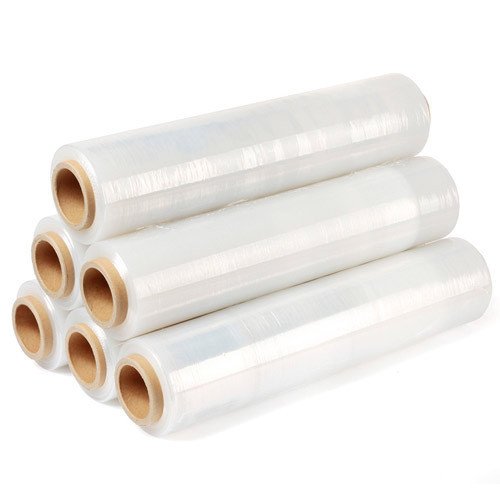
Stretch hand pallet wrap provides a practical packaging solution for businesses that need to secure palletised goods manually. This flexible plastic film stretches around cartons, boxes, and other products, helping hold the load together and reduce unwanted movement during transportation.
From small warehouses and e-commerce businesses to manufacturing facilities and logistics companies, hand pallet wrap offers a convenient way to prepare goods for dispatch without investing in automated wrapping equipment.
However, choosing the right film involves more than comparing roll prices. Film thickness, stretch performance, load weight, puncture resistance, roll dimensions, and application technique all influence packaging performance.
This guide explains what stretch hand pallet wrap is, how it works, its main benefits, and how to select the right product for your business.
What Is Stretch Hand Pallet Wrap?
Stretch hand pallet wrap is a flexible plastic film designed for manual application around palletised products. It is commonly manufactured from linear low-density polyethylene (LLDPE), a material valued for its flexibility, stretch characteristics, and ability to hold loads together.
The film is supplied in rolls that workers can apply by hand, sometimes using a handheld dispenser to improve control and handling comfort.
During application, the film stretches around the pallet load. Its elastic recovery helps maintain tension, holding cartons and other goods together.
This makes hand pallet wrap useful for securing products before warehouse storage, distribution, or transportation.
Unlike shrink film, which contracts around products when exposed to suitable heat, stretch wrap relies on tension and elastic recovery. It can therefore be applied without a heat-shrinking process.
Businesses use stretch hand pallet wrap for a variety of packaging tasks, including securing mixed cartons, stabilising pallet loads, grouping products, and protecting goods from dust and light surface contamination.
When selected and applied correctly, it can help improve load stability and support more efficient packaging operations.
How Does Stretch Hand Pallet Wrap Work?
Stretch hand pallet wrap works by stretching around a load and using its elastic recovery to maintain tension.
As the operator pulls the film around the pallet, the material elongates. When released, it attempts to recover towards its original dimensions, creating a holding force around the products.
The effectiveness of this process depends on several factors, including film quality, application tension, wrapping pattern, and the characteristics of the load.
Stretch and elastic recovery
Stretch describes how far the film can elongate during application. Elastic recovery refers to its ability to recover after being stretched.
Both properties influence how well the film secures a load.
A suitable film can provide effective containment without requiring excessive wrapping layers. However, stretching the film beyond its intended operating range may cause it to break or lose performance.
Operators should follow the manufacturer’s recommendations and avoid applying excessive tension.
Load containment
Load containment is the ability of the wrapped film to hold products together during handling and transportation.
A properly wrapped pallet is less likely to shift when moved by forklifts, pallet jacks, or other handling equipment.
Containment depends on more than the number of film layers. Load shape, pallet condition, weight distribution, wrapping tension, and the placement of the film around the base and upper sections all matter.
Heavy, tall, irregular, or unstable loads may require a different wrapping pattern or additional stabilisation methods.
Protection from dust and dirt
Stretch hand pallet wrap can help protect products from dust, dirt, and light surface moisture during storage and transit.
However, standard stretch film should not automatically be considered waterproof or a complete moisture barrier. Water can enter through openings, and protection depends on the film construction and application.
Products requiring more substantial moisture protection may need additional packaging materials.
Main Types of Stretch Hand Pallet Wrap
Different manual wrapping applications require different film specifications. Understanding the available options helps businesses choose products suited to their packaging needs.
Standard hand stretch film
Standard hand stretch film is designed for general manual pallet wrapping.
It is commonly used in warehouses, distribution centres, retail stockrooms, and small manufacturing facilities.
This type of film can secure cartons, boxes, and other uniform products when the appropriate thickness and wrapping pattern are selected.
It is a practical choice for businesses that wrap pallets occasionally or do not have automated wrapping equipment.
Pre-stretched hand pallet wrap
Pre-stretched film has been stretched during manufacturing or processing before being supplied to the user.
Because much of the stretching has already occurred, it may require less pulling force during application than some conventional films.
This can make manual wrapping more comfortable and may help reduce material consumption in suitable applications.
However, performance varies between products. Businesses should test pre-stretched film with representative loads before replacing an existing film specification.
High-performance hand stretch film
High-performance hand stretch film is designed to provide specific combinations of stretch, strength, and load containment.
Some products may allow businesses to use a thinner film while maintaining suitable performance for particular loads.
However, the label high performance does not establish how well a film will work in every situation.
Buyers should compare the manufacturer’s technical specifications and test the product under realistic packaging conditions.
Black hand pallet wrap
Black stretch wrap is used when businesses want to conceal pallet contents from casual view or distinguish certain loads within a warehouse.
It can support visual identification and may provide a degree of privacy during storage and transportation.
However, black film does not guarantee security or prevent theft. Additional security measures may be necessary for valuable goods.
Coloured hand stretch wrap
Coloured stretch wrap is available in various colours, depending on the supplier.
Businesses may use it to identify different product categories, separate orders, or organise stock by department or destination.
Colour coding can simplify warehouse processes when a consistent system is used.
As with other stretch films, buyers should ensure that the selected product provides the required stretch and load containment.
Common Uses of Stretch Hand Pallet Wrap
Hand pallet wrap is used across many industries because it provides a flexible way to secure goods without requiring specialised machinery.
Warehousing and distribution
Warehouses use stretch hand pallet wrap to secure cartons, packaged products, and mixed loads before storage or dispatch.
Wrapping helps hold items together and can reduce movement during forklift handling and transportation.
It also allows workers to prepare individual pallets according to their size, shape, and packaging requirements.
Manufacturing and industrial packaging
Manufacturers often use hand pallet wrap to secure finished goods, components, and raw materials before shipment.
The appropriate film depends on the load’s weight, shape, surface characteristics, and transport conditions.
Loads containing sharp edges may require film with suitable puncture resistance or additional edge protection.
Retail and wholesale businesses
Retailers and wholesalers may use stretch wrap to consolidate stock before transferring it between warehouses, stores, or distribution facilities.
Hand wrapping is particularly useful for businesses with moderate packaging volumes or varying pallet sizes.
Transparent film can also help keep product labels visible during handling.
E-commerce fulfilment
E-commerce businesses may use hand pallet wrap to secure cartons and grouped shipments before collection by freight providers.
It can help stabilise larger consignments and support more organised dispatch operations.
For individual parcels, stretch wrap should not replace appropriate shipping cartons, cushioning, or other packaging required to protect the contents.
Moving and storage services
Moving companies and storage facilities may use stretch film to group items together or secure cartons and packaged belongings.
However, direct contact between plastic film and delicate finishes, leather, or materials sensitive to trapped moisture should be assessed carefully.
Suitable protective layers may be necessary for certain products.
Benefits of Stretch Hand Pallet Wrap
Choosing the right hand pallet wrap can improve packaging consistency and support efficient warehouse operations.
Easy manual application
Hand pallet wrap can be applied without a powered wrapping machine.
This makes it suitable for small businesses, temporary packing areas, and operations where pallet dimensions vary considerably.
Workers can adjust the wrapping pattern according to the shape and requirements of each load.
Improved load stability
Stretch wrap helps hold palletised products together and reduce unwanted movement.
This is important when goods are transported over long distances or handled multiple times before reaching their destination.
For demanding loads, stretch wrap may need to be combined with other packaging measures, such as edge protectors, corner boards, or strapping.
Flexible packaging for different loads
Manual wrapping allows workers to accommodate pallets of different sizes and shapes.
This flexibility can be useful for businesses that handle mixed orders or do not have a uniform packaging process.
However, irregular or unstable loads may require additional support to achieve adequate containment.
Potential packaging cost savings
Using a film suited to the load can reduce unnecessary material consumption.
Correct application techniques and suitable film specifications may also reduce breaks and rewrapping.
The objective should be to achieve adequate load stability with an efficient amount of film rather than simply using fewer layers.
No specialised wrapping machine required
Hand pallet wrap provides a straightforward option for businesses that cannot justify the cost or space requirements of an automated wrapping system.
A handheld dispenser can further improve control and help workers apply film more consistently.
For high-volume operations, however, businesses should compare the labour and throughput benefits of manual wrapping with those of machine wrapping.
How to Choose the Right Stretch Hand Pallet Wrap
Selecting the right film requires consideration of load characteristics, application method, and packaging performance.
Consider the load weight and shape
Lightweight cartons generally require a different wrapping approach from heavy or irregularly shaped goods.
Tall loads may need additional containment around the upper and lower sections, while products with sharp edges may require better puncture resistance.
Evaluate the complete pallet rather than choosing film based on weight alone.
Check film thickness
Stretch film is available in different thicknesses, commonly measured in microns.
Thicker film may provide greater resistance to certain types of damage, but thickness alone does not determine overall performance.
Resin formulation, stretch characteristics, puncture resistance, and application technique also matter.
Compare product specifications and test the film with representative loads before making a large purchase.
Evaluate roll width and length
Roll width influences how much of the load can be covered with each pass.
Wider film may be convenient for larger pallets, while narrower rolls may provide better control for small products or restricted areas.
Roll length affects how many pallets can be wrapped before a replacement roll is required.
Check both dimensions and consider the roll’s weight, particularly when workers apply film manually throughout the day.
Assess puncture resistance
Loads with sharp corners, rough surfaces, or irregular shapes may damage film during application or transportation.
A film with suitable puncture resistance can help reduce breaks and the need for rewrapping.
However, the best choice depends on the product and the specific load conditions.
For particularly sharp or heavy goods, edge protection or alternative stabilisation methods may be necessary.
Consider ease of handling
The weight of the roll, the effort required to stretch the film, and the availability of a suitable dispenser can influence worker comfort.
For repetitive manual wrapping, consider how easily staff can control the film and maintain consistent tension.
Pre-stretched options may be worth evaluating where reduced application effort is a priority.
How to Apply Stretch Hand Pallet Wrap Correctly
Correct application is important for achieving suitable load containment and reducing unnecessary film consumption.
Prepare the pallet
Check that the pallet is in suitable condition and that the products are stacked securely.
Ensure that the load is reasonably balanced and that cartons are not positioned in a way that makes them likely to fall or shift.
If the load is unstable before wrapping, stretch film alone may not correct the problem.
Secure the film at the base
Begin by securing the film around the pallet base or another suitable starting point according to the product instructions.
The lower portion of the load is important because it helps connect the products to the pallet.
Avoid wrapping in a way that leaves the load insufficiently connected to the base.
Wrap with consistent overlap
Move around the pallet while maintaining suitable tension and overlapping each pass.
The amount of overlap depends on the film, load shape, and wrapping requirements.
Ensure that the wrapping pattern supports the load without creating excessive tension that could damage cartons or cause film breaks.
Finish the wrap securely
Complete the wrapping process by securing the film end according to the manufacturer’s recommendations and workplace procedures.
Check the pallet for loose sections, unstable cartons, or areas where additional wrapping may be required.
For tall or heavy loads, follow established load-stability procedures before moving the pallet.
Buying Stretch Hand Pallet Wrap in Bulk
Businesses that use stretch wrap regularly may benefit from wholesale purchasing.
Compare the cost per roll and per pallet
The lowest roll price does not always represent the lowest packaging cost.
Consider how much film is used for each pallet, the number of breaks during application, and whether the film provides adequate containment.
A roll that costs slightly more may offer better value if it reduces material consumption or rewrapping.
Confirm product specifications
Before ordering, check the film thickness, width, roll length, core dimensions, stretch characteristics, and intended application.
These specifications help ensure that the product meets the needs of the business.
If you are changing film types, request samples and test them with representative loads.
Review supplier reliability
Confirm delivery lead times, minimum order quantities, freight charges, and stock availability.
For businesses that depend on daily dispatch operations, supply interruptions can affect packaging schedules.
A dependable supplier should provide clear product information and maintain consistency between repeat orders.
Plan inventory carefully
Track how many rolls are used each week or month and use this information to forecast future requirements.
Consider seasonal demand, expected production volumes, and supplier lead times.
Avoid purchasing excessive quantities simply to qualify for a discount if storage space is limited or demand is uncertain.
Common Stretch Hand Pallet Wrap Problems and How to Avoid Them
Film breaks can occur when the film is unsuitable for the load, tension is excessive, or sharp edges damage the material.
Loose loads may result from inconsistent wrapping, insufficient containment, poor load arrangement, or inadequate connection between the film and pallet.
Excessive film consumption can indicate that the wrapping pattern needs improvement or that a different film specification would be more efficient.
To address these problems, inspect the pallet, review the wrapping technique, and compare the film’s technical specifications with the load requirements.
Workers should receive appropriate instruction on safe manual handling and consistent application. Where wrapping is frequent or physically demanding, evaluate whether a suitable dispenser or alternative wrapping method could improve the process.
Stretch Hand Pallet Wrap and Sustainable Packaging
Businesses can reduce stretch film waste by selecting suitable products, improving application techniques, and avoiding unnecessary wrapping layers.
Pre-stretched or high-performance films may offer material-saving opportunities in certain applications, but their performance should be tested before adoption.
Some suppliers offer films containing recycled material or products designed to reduce plastic consumption. Check the actual specifications and available supporting information before making environmental claims.
Recycling options depend on the film composition and local collection and processing facilities.
A practical packaging strategy should balance material efficiency with load stability and product protection. Reducing film use is not beneficial if it increases the risk of damaged goods during transportation.
Conclusion
Stretch hand pallet wrap is a practical packaging solution for businesses that need to secure palletised goods manually without relying on automated wrapping equipment.
It can help stabilise loads, support efficient warehouse handling, and protect products from dust and light surface contamination. Different film types, including standard, pre-stretched, high-performance, black, and coloured options, serve different packaging requirements.
The right choice depends on load weight, shape, film thickness, puncture resistance, roll dimensions, and the wrapping method. Businesses should compare technical specifications, test new products with representative loads, and evaluate the total cost per pallet rather than the price per roll alone.
With appropriate film selection and consistent application, hand pallet wrap can support reliable packaging operations and help businesses manage their shipping and storage requirements effectively.
Frequently Asked Questions
1. What is stretch hand pallet wrap used for?
Stretch hand pallet wrap is used to secure cartons, boxes, and other products on pallets. It helps hold goods together and reduce unwanted movement during storage, handling, and transportation.
2. What is stretch hand pallet wrap made from?
Most stretch hand pallet wrap is made from polyethylene, commonly linear low-density polyethylene. The formulation varies according to the intended application and required performance.
3. What is the difference between hand pallet wrap and machine stretch film?
Hand pallet wrap is designed for manual application, while machine stretch film is intended for use with wrapping equipment. Machine film must be compatible with the equipment’s roll dimensions, tension controls, and prestretch capabilities.
4. How thick should hand pallet wrap be?
The appropriate thickness depends on load weight, shape, sharp edges, and required containment. Compare technical specifications and test the film with representative loads rather than relying on thickness alone.
5. Is stretch hand pallet wrap waterproof?
Standard stretch wrap can resist light surface moisture, but it should not automatically be considered waterproof. Additional packaging may be necessary when goods require stronger moisture protection.
6. Can stretch hand pallet wrap be recycled?
Some stretch films can be recycled through suitable plastic film collection systems. Acceptance depends on the material and local recycling facilities, so businesses should check their available waste management options.
7. How can I reduce hand pallet wrap consumption?
Choose a suitable film, use a consistent wrapping pattern, avoid unnecessary layers, and train workers in proper application. Material reduction should never compromise load stability.
8. Should I use a dispenser with hand pallet wrap?
A suitable dispenser can improve film control and make manual application more comfortable. The right option depends on roll size, wrapping frequency, and the needs of the operator.
9. Is pre-stretched hand pallet wrap better than standard film?
Pre-stretched film may require less application force and can reduce material use in suitable applications. However, performance varies by product and load, so testing is recommended before switching.
10. What should I check before buying stretch hand pallet wrap in bulk?
Check film thickness, width, roll length, core dimensions, stretch characteristics, puncture resistance, supplier reliability, and delivery costs. Request samples if the product is new to your packaging process.