Packaging plays an important role in protecting products during storage, handling, and transportation. Whether a business ships cartons, palletised goods, industrial components, or retail products, choosing the right packaging material helps keep items secure and reduces the risk of damage during transit.
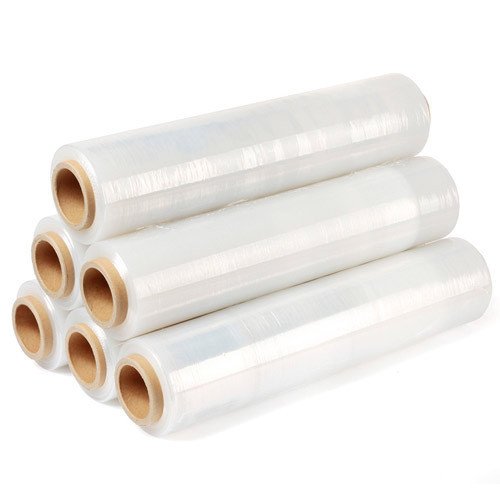
Stretch Wrapping Film is a widely used packaging material designed to hold products together by stretching a plastic film around items or pallet loads. Its elasticity allows the film to cling to itself and create a secure wrap that helps stabilise goods during handling and shipping.
From warehouses and distribution centres to manufacturing facilities and e-commerce businesses, stretch film supports efficient packaging operations across many industries. However, choosing the right film requires more than selecting a roll based on price. Film thickness, stretch performance, load weight, application method, and packaging requirements all influence the final result.
This guide explains how stretch wrapping film works, the different types available, its common applications, and how businesses can select the right product for their packaging needs.
What Is Stretch Wrapping Film?
Stretch wrapping film is a flexible plastic packaging material commonly manufactured from linear low-density polyethylene (LLDPE). It is designed to stretch around products and retain tension, helping secure items together during storage and transportation.
The film is commonly used to wrap pallet loads containing cartons, bags, boxes, containers, and other goods. Once applied, it helps hold the load together and can reduce unwanted movement during handling.
Stretch film is also available for wrapping individual products and smaller bundles, depending on the application.
Unlike shrink film, which generally requires heat to contract around a product, stretch film relies on mechanical stretching and tension to secure the load. This makes it suitable for many packaging operations that need a quick and practical way to stabilise goods.
Businesses can apply stretch wrapping film manually or with a dedicated wrapping machine. The appropriate method depends on packaging volume, load dimensions, consistency requirements, and available equipment.
When selected and applied correctly, stretch film can improve load stability, support warehouse efficiency, and help protect products throughout the supply chain.
How Does Stretch Wrapping Film Work?
Stretch film works by stretching around a load and using its elastic recovery to maintain tension.
As the film is pulled around cartons or palletised goods, it elongates. When released, it attempts to return towards its original dimensions, creating tension around the load.
This tension helps hold the items together and reduces movement during handling.
Stretch and elastic recovery
Stretch performance describes how far the film can elongate during application. Elastic recovery refers to its ability to recover after being stretched.
Both properties influence load containment.
A film with suitable stretch and recovery can secure a pallet without requiring excessive layers. However, the best performance depends on the film formulation, thickness, wrapping equipment, and load characteristics.
Stretching the film beyond its intended operating range may cause breaks or reduce packaging consistency.
Load containment
Load containment is the ability of the wrapped film to hold goods together during storage and transportation.
A stable load is less likely to shift when handled by forklifts, pallet jacks, or other warehouse equipment.
Containment depends on more than the number of film layers. Factors include film tension, wrapping pattern, load shape, pallet condition, and the distribution of weight.
Heavy, irregular, or unstable loads may require a different wrapping method from lightweight cartons.
Protection from dust and moisture
Stretch wrapping film can help shield products from dust, dirt, and light surface moisture.
However, standard stretch film should not automatically be considered waterproof or a complete moisture barrier. Water can enter through openings, and film performance depends on its construction and application.
For goods requiring stronger moisture protection, businesses may need additional packaging materials or a specialised barrier system.
Types of Stretch Wrapping Film
Different packaging operations require different film formats. Selecting the appropriate type can improve wrapping efficiency and reduce unnecessary material use.
Hand Stretch Film
Hand stretch film is designed for manual application and is commonly supplied in rolls that can be used with or without a handheld dispenser.
It is suitable for small warehouses, retail stockrooms, moving services, and businesses that wrap pallets occasionally.
Manual application offers flexibility because workers can adjust the wrapping pattern to suit different load sizes and shapes.
However, the final result depends on the operator’s technique. Inconsistent tension can lead to loose loads, excessive film consumption, or film breaks.
A suitable handheld dispenser can make rolls easier to control and may improve comfort during repetitive tasks.
Machine Stretch Film
Machine stretch film is designed for use with stretch wrapping equipment.
It is commonly used in distribution centres, manufacturing facilities, and warehouses that package high volumes of palletised goods.
Machine application can provide more consistent film tension, wrapping patterns, and load containment when the equipment is correctly configured.
Some machine films are designed to operate with specific prestretch systems, so compatibility with the wrapping machine is important.
Before purchasing, confirm the film’s specifications, roll dimensions, and suitability for the equipment being used.
Pre-Stretched Film
Pre-stretched film has been stretched during manufacturing or processing before it reaches the user.
Because much of the stretching has already occurred, it may require less force during manual application and can be easier to handle in some situations.
Pre-stretched film can also help reduce the amount of material used per wrap when compared with certain conventional manual wrapping practices.
However, performance varies by product, and it should not be assumed that every pre-stretched film will provide the same containment as a conventional film of a different thickness.
Test the product with representative loads before changing an established packaging process.
Blown Stretch Film
Blown stretch film is manufactured through a process in which molten plastic is formed into a tube and expanded before cooling.
This process can produce film with useful puncture resistance and durability for demanding loads.
Blown films may be suitable for products with sharp edges, irregular shapes, or other characteristics that increase the risk of film damage.
Some blown films can be noisier during unwinding than cast films, although actual performance depends on the product.
Businesses should compare puncture resistance, stretch properties, clarity, and handling characteristics when choosing between film types.
Cast Stretch Film
Cast stretch film is produced by extruding molten plastic through a flat die and cooling it on a casting system.
It is often valued for consistent thickness, clarity, and relatively quiet unwinding.
Its transparency can make labels and product identification easier to see through the packaging.
Cast film is used in many manual and machine wrapping applications, although suitability depends on the particular grade and equipment.
As with other film types, compare the manufacturer’s performance specifications rather than assuming that every cast film offers the same stretch or load-holding capability.
Coloured Stretch Film
Coloured stretch film is available in colours such as black, white, and other shades, depending on the supplier.
Black film can help conceal the contents of a load and may provide a degree of visual privacy. Coloured film can also support load identification, warehouse organisation, or product segregation.
However, colour alone does not guarantee security or prevent theft.
Businesses should select coloured film according to the intended purpose and confirm that the product provides the necessary wrapping performance.
Vented Stretch Film
Vented stretch film contains openings designed to improve airflow around the wrapped products.
It may be useful for certain goods that benefit from ventilation, such as selected agricultural products or items that release heat or moisture during handling.
Vented film provides less continuous coverage than standard stretch film, so it may not be suitable where dust or moisture protection is a priority.
The correct product depends on the characteristics of the goods and the storage or transport conditions.
Common Uses of Stretch Wrapping Film
Stretch film is used in many industries because it can secure products efficiently without requiring complicated packaging for every load.
Warehousing and distribution
Warehouses use stretch film to stabilise palletised cartons, packaged goods, and inventory before storage or dispatch.
A secure load is easier to handle and may be less likely to shift during forklift movement or transportation.
Stretch wrapping also helps keep cartons grouped together, supporting more organised handling throughout the distribution process.
Manufacturing and industrial packaging
Manufacturers often use stretch film to secure finished products, raw materials, and components before shipment.
The required film depends on the product’s weight, shape, surface characteristics, and packaging configuration.
Heavy industrial loads may require a higher-performance film and a carefully controlled wrapping pattern.
E-commerce and retail
Retailers and e-commerce businesses may use stretch film to consolidate cartons, secure bulk inventory, and prepare goods for warehouse transfer.
Hand stretch film can be practical for lower-volume operations, while automated equipment may be suitable for businesses processing large numbers of pallets.
For individual parcels, stretch film should be selected according to the packaging task rather than used as a substitute for appropriate shipping cartons or protective cushioning.
Moving and storage
Stretch film is commonly used during moving and storage to hold grouped items together or help protect surfaces from dust and handling marks.
It can be useful for wrapping furniture components, securing loose items, and keeping certain products organised during transport.
Care is needed when wrapping delicate finishes, upholstered furniture, or materials that may be affected by trapped moisture or prolonged contact with plastic.
Use suitable protective layers where necessary.
Food and beverage logistics
Stretch film is widely used to stabilise pallet loads containing packaged food and beverage products.
In these applications, it generally secures the outer load rather than directly contacting the food.
The packaging system should be appropriate for the product, storage conditions, and applicable food safety requirements.
Stretch film used for pallet stabilisation should not be confused with films specifically designed for direct food contact.
Benefits of Using Stretch Wrapping Film
Stretch film offers several practical benefits when the correct product and application method are used.
Improved load stability
Stretch film helps hold products together and reduce unwanted movement during handling and transit.
This is particularly important for pallet loads containing multiple cartons or packages.
A suitable wrapping pattern can improve stability while helping reduce the risk of products falling or shifting.
Reduced packaging complexity
Stretch film can secure many types of palletised loads without requiring individual straps or additional outer packaging in every situation.
However, some loads may still require edge protectors, strapping, corner boards, or other materials to meet their transport requirements.
The packaging method should be based on load stability and the risks associated with the journey.
Potential material savings
Choosing the correct film thickness and applying it efficiently can reduce packaging consumption.
Machine wrapping systems may also help standardise film usage by controlling tension, prestretch, and the number of revolutions around the load.
Material savings should be evaluated alongside load containment. Using too little film may increase the risk of load failure and product damage.
Better visibility of packaged goods
Transparent stretch film allows many labels and product markings to remain visible.
This can help warehouse teams identify shipments and check package information without removing the wrapping.
When greater concealment or colour coding is needed, an appropriate coloured film may be more suitable.
Convenient application
Hand stretch film can be applied without specialised machinery, making it practical for businesses with limited packaging volumes.
Machine stretch film supports higher-throughput operations where consistent application and reduced manual handling are important.
Selecting the right format helps match the packaging process to the needs of the business.
How to Choose the Right Stretch Wrapping Film
Selecting a suitable film involves balancing load characteristics, wrapping equipment, film performance, and cost.
Consider the load weight and shape
Lightweight, uniform cartons generally require a different wrapping approach from heavy or irregularly shaped loads.
Loads with sharp corners may need film with greater puncture resistance or additional edge protection.
Tall or unstable pallets may require a specific wrapping pattern, greater containment force, or supplementary stabilisation methods.
Evaluate the complete load rather than choosing film based on weight alone.
Check film thickness
Stretch film is available in different thicknesses, commonly measured in microns.
Thicker film may offer greater resistance to certain types of damage, but thickness alone does not determine performance.
Resin formulation, film structure, stretch characteristics, and application method also matter.
A high-performance thinner film may be suitable for some loads, while a thicker film may be necessary for others.
Compare the manufacturer’s specifications and test the film under realistic conditions.
Match the film to the wrapping equipment
Machine films must be compatible with the equipment’s roll dimensions, prestretch capability, tension controls, and operating speed.
Using an unsuitable film can lead to frequent breaks, inconsistent containment, or unnecessary material consumption.
For manual wrapping, consider roll weight, ease of handling, and the force required to stretch the film.
Evaluate puncture resistance and holding force
Puncture resistance matters when loads contain sharp edges or irregular surfaces.
Holding force and containment performance matter when products need to remain secure during transportation.
These properties should be assessed using the manufacturer’s technical data and, where possible, practical testing.
Do not assume that a film with a high stretch percentage automatically provides the best load stability.
Compare total packaging cost
The cost per roll is only one part of the purchasing decision.
Consider how much film is used per pallet, how often breaks occur, the time required for wrapping, and whether the film provides adequate load stability.
A roll that costs more may still provide better value if it reduces film consumption or improves packaging consistency.
Buying Stretch Wrapping Film in Bulk
Businesses that use stretch film regularly may benefit from wholesale purchasing.
Buying larger quantities can sometimes reduce the unit price and simplify replenishment. It may also help standardise packaging materials across several warehouse locations.
Before ordering in bulk, confirm the film’s width, thickness, roll length, core dimensions, and intended application.
Request samples when introducing a new product, particularly if it will be used with an automated wrapping machine.
Check minimum order quantities, delivery charges, storage requirements, and supplier lead times. Avoid ordering more stock than can be stored properly or used within the expected purchasing period.
A reliable supplier should provide clear product specifications and maintain consistency between repeat orders.
Stretch Wrapping Film and Sustainable Packaging
Stretch film can help businesses use packaging materials more efficiently when the right product and wrapping method are selected.
Reducing unnecessary layers, improving machine settings, and preventing film breaks can reduce waste without compromising load stability.
Some suppliers offer films with recycled content or designs intended to reduce material usage. These products should be evaluated according to their actual specifications and suitability for the packaging process.
Recyclability depends on the film composition and the collection and processing facilities available locally.
Businesses should follow applicable waste management guidance and avoid making broad environmental claims without supporting evidence.
A practical sustainability strategy balances material reduction, load protection, product damage prevention, and the end-of-life handling of packaging.
Common Stretch Wrapping Film Problems and How to Avoid Them
Film breaks are a common issue in packaging operations. They may result from unsuitable film selection, sharp load edges, excessive tension, incorrect machine settings, or damaged rolls.
Loose loads can occur when the wrapping pattern provides insufficient containment or when the film is applied inconsistently.
Excessive film use may indicate that the wrapping method needs adjustment or that the film is not well matched to the load.
To improve performance, check the film specifications, inspect pallet condition, review the wrapping pattern, and verify machine settings where applicable.
Training workers in safe and consistent application can also improve packaging quality.
For automated operations, review film tension and prestretch settings according to the machine and film manufacturers’ instructions.
Conclusion
Stretch Wrapping Film is an important packaging material for securing pallet loads, grouping products, and supporting efficient handling throughout the supply chain.
The right product depends on the weight and shape of the load, required containment, application method, film thickness, and wrapping equipment. Hand stretch film may suit lower-volume operations, while machine film can support high-throughput packaging. Cast, blown, pre-stretched, coloured, and vented films offer different characteristics for specific requirements.
Before choosing a product, compare technical specifications, test film with representative loads, and evaluate total packaging cost rather than price per roll alone.
With suitable film selection and consistent application, businesses can improve load stability, manage packaging consumption, and support reliable product transportation.
Frequently Asked Questions
1. What is stretch wrapping film used for?
Stretch wrapping film is used to secure products and pallet loads during storage, handling, and transportation. It helps hold cartons and other goods together and can reduce unwanted movement.
2. What is stretch wrapping film made from?
Most stretch wrapping film is made from polyethylene, commonly linear low-density polyethylene. Specific formulations vary according to the intended application and required performance.
3. What is the difference between hand stretch film and machine stretch film?
Hand stretch film is designed for manual application, while machine stretch film is intended for use with wrapping equipment. Machine wrapping can provide more consistent tension and improve throughput in high-volume operations.
4. Is stretch wrapping film waterproof?
Standard stretch film can resist light surface moisture, but it should not automatically be treated as a waterproof or complete moisture-barrier solution. Protection depends on the film, wrapping pattern, and packaging design.
5. How thick should stretch wrapping film be?
The appropriate thickness depends on load weight, shape, sharp edges, wrapping method, and required containment. Compare technical specifications and test the film with representative loads rather than relying on thickness alone.
6. Can stretch wrapping film be recycled?
Some stretch films can be recycled through suitable plastic film collection and processing systems. Acceptance depends on the film material and local recycling facilities, so businesses should check their available waste management options.
7. What is the difference between stretch film and shrink film?
Stretch film is stretched around a load and uses elastic recovery to secure it. Shrink film is designed to contract around a product when exposed to suitable heat. The two products serve different packaging purposes.
8. Is stretch wrapping film suitable for food packaging?
Stretch film is commonly used to stabilise outer loads containing packaged food. Direct food-contact applications require a product specifically suitable for that purpose and compliant with the relevant requirements.
9. How can I reduce stretch film consumption?
Use film appropriate for the load, optimise the wrapping pattern, maintain suitable machine settings, and train staff in consistent application. Material reduction should not compromise load stability.
10. What should I look for when buying stretch wrapping film in bulk?
Check film thickness, width, roll length, core dimensions, stretch characteristics, load containment, equipment compatibility, price, and delivery arrangements. Request samples before placing a large order if the product is new to your operation.