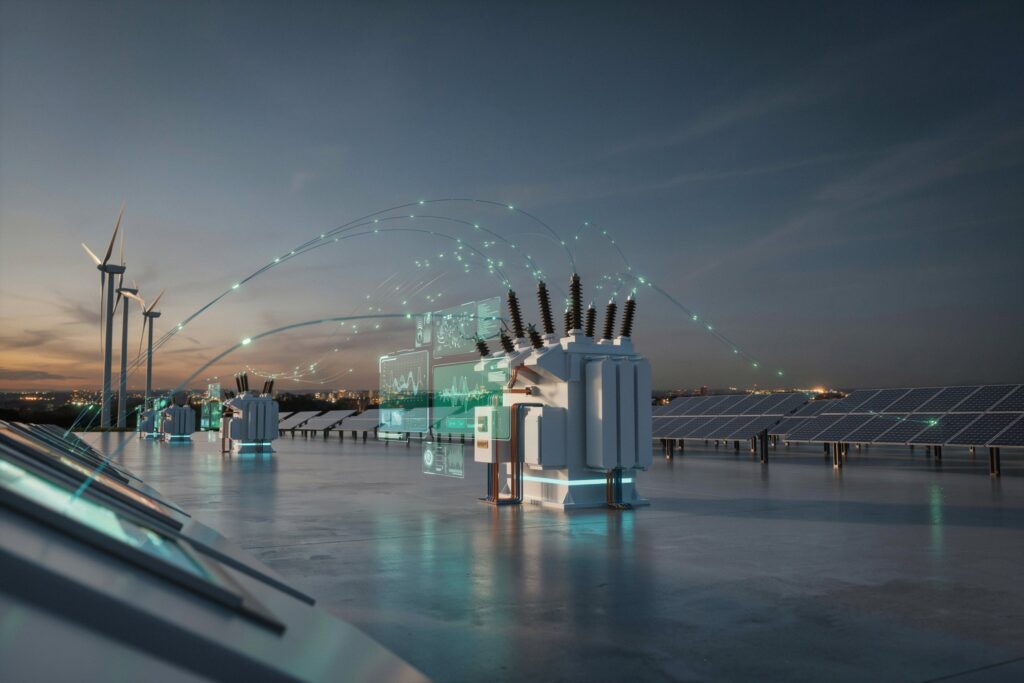
The energy sector is undergoing a remarkable transformation, driven by the rapid advancement of Artificial Intelligence (AI). As power networks become increasingly complex and demand for reliable, sustainable energy continues to rise, engineers are turning to AI-powered technologies to improve efficiency, reduce costs, and enhance system reliability. Today, AI is no longer a futuristic concept—it is becoming an essential tool in modern power system engineering.
From predictive maintenance and grid optimization to advanced electrical power system studies and intelligent design of power plant infrastructure, AI is revolutionizing how engineers plan, operate, and manage electrical networks. This technological shift is helping utilities and engineering firms deliver smarter and more resilient power engineering solutions for the future.
AI and the Evolution of Power System Engineering
Traditional power system engineering relied heavily on manual analysis, historical data, and predefined operating procedures. While these methods have served the industry well for decades, modern energy systems require faster decision-making and the ability to process vast amounts of data in real time. Artificial Intelligence enables machines to learn from data, recognize patterns, and make intelligent recommendations. In power systems, AI algorithms can analyze information from sensors, substations, smart meters, and control centers to identify issues before they become major problems. As renewable energy sources such as solar and wind become more integrated into the grid, AI helps engineers manage the variability of power generation while maintaining system stability and reliability.Enhancing Electrical Power System Studies
One of the most significant applications of AI is in electrical power system studies. These studies are critical for evaluating system performance, identifying potential risks, and ensuring compliance with operational standards. AI-powered tools can significantly improve the speed and accuracy of:- Load flow analysis
- Short-circuit studies
- Protection coordination studies
- Voltage stability assessments
- Contingency analysis
- Harmonic analysis
Predictive Maintenance and Asset Management
Power infrastructure includes thousands of critical assets such as transformers, generators, circuit breakers, and transmission lines. Unexpected equipment failures can lead to costly outages and significant operational disruptions. AI-driven predictive maintenance is changing how utilities manage these assets. Instead of relying solely on scheduled inspections, AI continuously monitors equipment performance using data from sensors and monitoring systems. The technology can detect subtle changes in operating conditions that may indicate developing faults. This allows maintenance teams to intervene before equipment failure occurs. Benefits of predictive maintenance include:- Reduced downtime
- Lower maintenance costs
- Extended equipment lifespan
- Improved safety
- Increased system reliability
Smarter Grid Operations and Energy Management
Modern power grids must balance supply and demand in real time while accommodating distributed energy resources, electric vehicles, and renewable generation sources. Managing this complexity requires intelligent systems capable of making rapid decisions. AI helps grid operators by:- Forecasting energy demand with greater accuracy
- Optimizing power generation schedules
- Detecting faults automatically
- Improving voltage regulation
- Managing renewable energy integration
- Reducing transmission and distribution losses
AI in the Design of Power Plant Infrastructure
The design of power plant facilities involves numerous engineering challenges, including equipment selection, performance optimization, safety compliance, and cost management. AI is increasingly being used to improve every stage of the design process. Through advanced modeling and simulation techniques, AI can evaluate multiple design scenarios and identify the most efficient solutions. Engineers can use these insights to optimize plant layouts, improve energy efficiency, and reduce construction costs. Applications of AI in power plant design include:- Equipment performance optimization
- Thermal efficiency analysis
- Fuel consumption forecasting
- Emissions reduction strategies
- Digital twin development
- Operational risk assessment
Supporting the Transition to Renewable Energy
Renewable energy sources are transforming the global power landscape, but they also introduce new operational challenges due to their intermittent nature. AI plays a critical role in supporting renewable energy integration by improving forecasting accuracy for solar and wind generation. Machine learning models can analyze weather patterns, historical production data, and environmental conditions to predict energy output with remarkable precision. This enables utilities and grid operators to:- Improve resource planning
- Reduce balancing costs
- Enhance grid stability
- Increase renewable energy utilization
- Minimize energy curtailment