Falls from elevation remain one of the leading causes of serious workplace injuries across construction, maintenance, utilities, and industrial operations. For organizations that operate above ground level, working at heights training is not just a regulatory requirement—it is a vital control measure that protects lives, assets, and reputation. Trainability delivers structured, standards-aligned programs designed to build both technical competence and safety culture in high-risk environments.
Why Height Safety Demands Specialized Instruction
Tasks performed on scaffolds, ladders, rooftops, towers, and elevated platforms introduce complex hazards: unstable surfaces, weather exposure, dropped objects, and fall-arrest system misuse. Generic safety briefings are insufficient. Effective working at heights training equips personnel with the knowledge to identify hazards, assess risks dynamically, and apply engineered controls before work begins.
Trainability emphasizes hazard recognition methodologies such as Job Safety Analysis (JSA) and permit-to-work integration. Participants learn to evaluate anchor point ratings, calculate fall clearance distances, and understand the physics of fall factors—technical competencies that significantly reduce incident probability.
Core Components of a High-Quality Program
A professional course must balance theory, standards compliance, and hands-on practice. Trainability’s curriculum incorporates:
1. Regulatory and Standards Alignment
Trainees gain familiarity with applicable safety regulations, industry codes, and employer responsibilities. Understanding legal obligations helps organizations demonstrate due diligence and maintain audit readiness.
2. Personal Protective Equipment (PPE) Systems
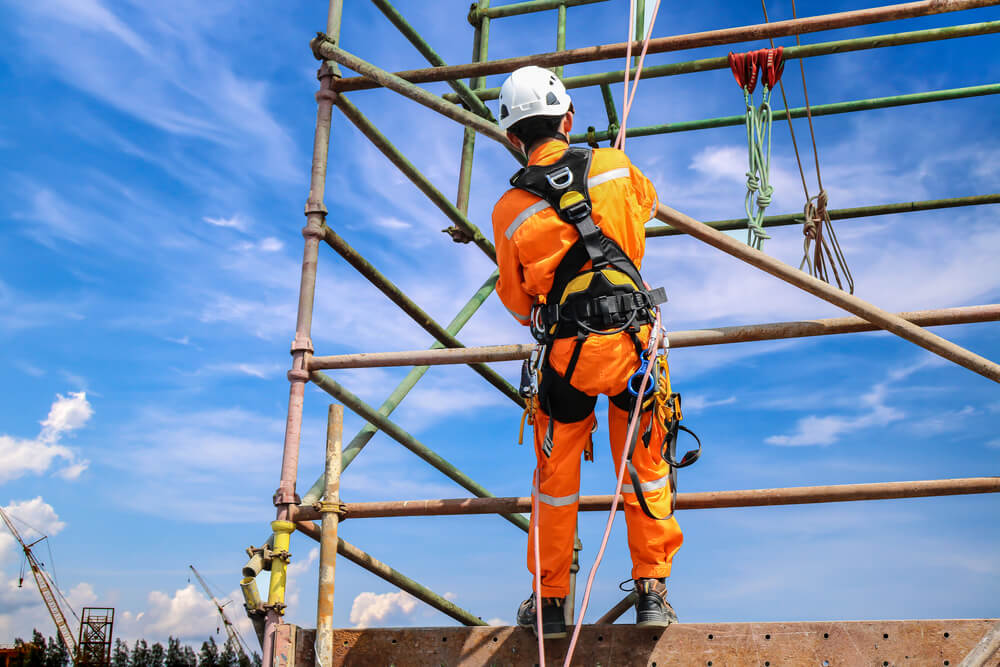
Instruction covers selection, inspection, fitting, and limitations of harnesses, lanyards, connectors, and self-retracting lifelines. Improperly fitted PPE is a common failure point; therefore, practical drills ensure workers can verify equipment integrity before each use.
3. Fall Prevention vs. Fall Protection
Preventing a fall is always preferable to arresting one. The training differentiates between guardrails, safe access systems, and administrative controls versus active fall-arrest solutions. This hierarchy of controls approach aligns with global best practices.
4. Rescue Planning and Emergency Response
A fall-arrest event becomes life-threatening without rapid rescue due to suspension trauma risks. Trainability integrates simulated rescue scenarios so teams can execute retrieval procedures efficiently and coordinate with emergency services.
Benefits for Organizations and Workforce
Investing in working at heights training produces measurable operational advantages beyond compliance. Incident reduction lowers downtime, compensation costs, and project delays. Skilled workers also perform tasks more efficiently because they understand safe positioning techniques and equipment capabilities.
From a human perspective, training reinforces employee confidence. Workers who trust their safety systems are more focused and productive. This contributes to a proactive safety culture where hazards are reported early and corrective actions are embraced rather than resisted.
Industry Applications and Use Cases
Height safety competence is essential across multiple sectors:
- Construction and infrastructure projects
- Telecommunications tower maintenance
- Warehousing and logistics operations
- Oil, gas, and energy facilities
- Building maintenance and façade cleaning
Trainability customizes modules to reflect sector-specific risks, ensuring relevance whether personnel operate on steel structures, confined rooftops, or mobile elevated work platforms.
Choosing the Right Training Provider
Not all programs deliver the same depth of expertise. Organizations should evaluate providers based on instructor credentials, practical training facilities, equipment quality, and post-training assessment methods. Trainability differentiates itself through scenario-based instruction, competency evaluations, and refresher pathways that keep skills current as standards evolve.
Another critical factor is documentation. Comprehensive training records support compliance audits and demonstrate commitment to occupational health and safety management systems such as ISO-aligned frameworks.
Building a Safer Future at Height
As infrastructure grows vertically and maintenance demands increase, the risks associated with elevated work will continue to expand. Proactive organizations recognize that working at heights training is a strategic investment rather than a checkbox exercise. By partnering with Trainability, companies empower their workforce with the technical expertise and situational awareness needed to operate safely above ground level.
Ultimately, preventing falls is about preparation, precision, and professionalism. When workers are trained to anticipate hazards and apply correct protective measures instinctively, height becomes a manageable condition rather than a dangerous unknown.