Creating a functional and visually appealing outdoor area often requires more than just landscaping. When dealing with sloped land or uneven terrain, a well-designed retaining wall stairs system can transform your property by improving accessibility, preventing soil erosion, and enhancing the overall aesthetic appeal.
Learn how to build retaining wall and stairs with Trinity Landscape & Sports. Expert tips for safe, strong, and stylish outdoor structures that last.
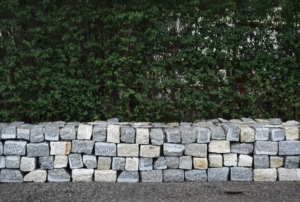
Why Retaining Walls and Stairs Are Important
Retaining walls and stairs work together to create safe and practical outdoor spaces. Retaining walls hold back soil and prevent erosion, while stairs provide easy access between different levels of your landscape. Whether for residential gardens, commercial properties, or recreational areas, these structures offer both functional and decorative benefits.
Key Benefits of Retaining Walls and Stairs
- Improve access across sloped landscapes.
- Prevent soil movement and erosion.
- Increase property value and curb appeal.
- Create usable outdoor living spaces.
A professionally designed retaining wall and staircase system can significantly improve the safety and appearance of your property while ensuring long-term durability.
Planning Your Retaining Wall and Stairs Project
Before construction begins, proper planning is essential. Factors such as slope angle, drainage requirements, soil conditions, and intended use should be carefully evaluated.
Site Assessment
A thorough site assessment helps determine the best design and construction approach. Professionals analyze:
- Soil stability and composition.
- Existing drainage patterns.
- Height and length requirements.
- Local building regulations.
Proper planning ensures that the retaining wall and stairs will remain structurally sound for years to come.
Choosing the Right Materials
The choice of materials impacts both durability and aesthetics. Popular options include:
Concrete Blocks
Concrete retaining wall blocks are durable, versatile, and available in various styles and finishes.
Natural Stone
Natural stone offers a timeless appearance and blends beautifully with outdoor environments.
Timber
Timber retaining walls provide a natural look and are often suitable for smaller landscaping projects.
Reinforced Concrete
For larger or more demanding applications, reinforced concrete offers superior strength and longevity.
Building a Strong Retaining Wall
A retaining wall must be designed to withstand soil pressure, water buildup, and environmental conditions. Proper engineering and construction techniques are critical.
Foundation Preparation
The foundation serves as the base of the retaining wall and plays a vital role in its stability.
Excavation and Base Material
The construction process typically begins with excavation and the installation of a compacted gravel base. This creates a stable foundation capable of supporting the wall’s weight.
Drainage Systems
One of the most important aspects of retaining wall construction is drainage.
Without proper drainage, water can accumulate behind the wall and increase pressure, potentially leading to structural failure.
Effective Drainage Solutions
- Perforated drainage pipes.
- Gravel backfill.
- Drainage outlets.
- Geotextile fabric installation.
These systems help manage water flow and extend the lifespan of the retaining wall.
Designing Safe and Attractive Outdoor Stairs
Outdoor stairs should be both functional and visually appealing. Their design must complement the retaining wall while providing safe access.
Stair Layout and Dimensions
Proper stair dimensions are essential for user comfort and safety.
Recommended Stair Features
- Consistent riser heights.
- Adequate tread depth.
- Non-slip surfaces.
- Proper handrail installation when required.
Well-designed stairs improve accessibility and create a seamless transition between different landscape levels.
Integrating Stairs with Retaining Walls
Combining stairs directly into the retaining wall structure can create a cohesive and attractive design. This approach maximizes available space and enhances the overall appearance of the landscape.
Professional designers carefully balance structural requirements with visual appeal to achieve the best results.
Common Mistakes to Avoid
Even small construction mistakes can lead to costly repairs and safety issues.
Poor Drainage Planning
Insufficient drainage is one of the leading causes of retaining wall failure.
Inadequate Foundation Preparation
Skipping proper excavation or compaction can compromise structural stability.
Incorrect Stair Dimensions
Uneven or improperly sized steps can create safety hazards.
Ignoring Local Regulations
Building codes may require permits, engineering approvals, or specific construction standards.
Working with experienced professionals helps avoid these common issues and ensures compliance with all requirements.
Why Choose Trinity Landscape & Sports?
At Trinity Landscape & Sports, we specialize in designing and constructing high-quality retaining walls and stairs that combine durability, functionality, and visual appeal.
Our Expertise Includes:
- Custom retaining wall design and construction.
- Professional staircase installation.
- Advanced drainage solutions.
- Residential and commercial landscaping projects.
Our team focuses on delivering long-lasting outdoor structures that enhance property value while meeting the highest safety standards.
Conclusion
A professionally built retaining wall and stairs system can dramatically improve the functionality and appearance of any outdoor space. From preventing erosion and managing slopes to creating attractive landscape features, these structures provide lasting benefits for homeowners and businesses alike.
Whether you’re upgrading an existing landscape or starting a new project, Trinity Landscape & Sports offers the expertise needed to create safe, durable, and visually stunning retaining walls and stairs designed to stand the test of time.