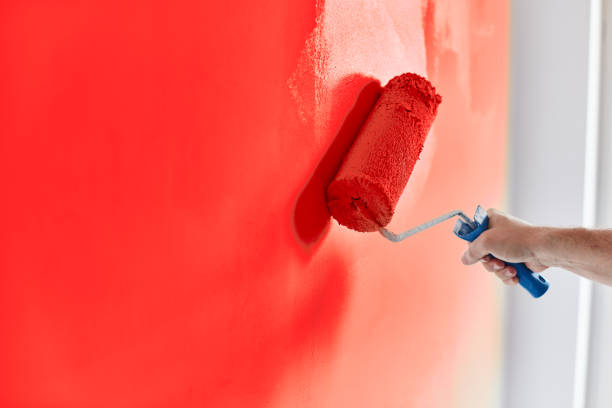
Painting indoors looks simple until you’re halfway through a wall and realize the finish is uneven, the corners look patchy, and there’s lint stuck where it shouldn’t be. That’s usually where tool choice comes back to bite you. A microfiber paint roller isn’t some fancy upsell—it’s just a better option in a lot of indoor situations, plain and simple. It holds more paint, spreads it cleaner, and wastes less time. Not perfect, nothing is, but noticeably better if you care about how your walls actually turn out.
Better Paint Pickup and Release
One thing that stands out right away with microfiber rollers is how much paint they grab and how evenly they let it go. You dip once, and it actually feels like it did something. Traditional rollers can feel dry after a couple passes, which slows you down and makes you press harder than you should. Microfiber doesn’t fight you like that. It loads up, then releases paint in a smoother, more controlled way. Less streaking, fewer reloads, and honestly, less frustration. Indoors, where lighting shows every flaw, that matters more than people think.
Smoother Finish on Interior Walls
Walls inside your home don’t hide mistakes well. Sunlight, lamps, even overhead lights—they all expose roller marks if the finish isn’t right. Microfiber rollers tend to leave a more uniform coat, especially on drywall and plaster. The fibers are finer, so they lay the paint down without that heavy texture you sometimes get from thicker rollers. It’s not magic, you still need decent technique, but it gives you a better shot at that clean, smooth look without going back over the same area five times.
Less Lint, Less Cleanup Drama
Here’s something people don’t always think about until it’s too late—lint. Some rollers shed like crazy, especially cheaper ones. You end up with tiny fibers stuck in your paint, and once they dry, good luck fixing that cleanly. Microfiber rollers are tighter, more stable. They don’t shed nearly as much, if at all if you prep them right. That alone can save a project. Plus, cleanup tends to be easier. The paint doesn’t cling in the same stubborn way, so washing them out doesn’t feel like a chore you’ll regret starting.
Works Well with Different Paint Types
Indoor jobs aren’t all the same. You might be using matte in one room, satin in another, maybe something a bit thicker for a feature wall. Microfiber rollers handle that range pretty well. They adapt without needing to switch tools constantly. Thicker paints still spread evenly, thinner ones don’t drip as much as you’d expect. It’s not that they’re perfect for every single product out there, but they’re flexible enough that you won’t feel limited halfway through a job.
Efficiency That Actually Saves Time
Time matters, even on small indoor jobs. Microfiber rollers help you move faster without cutting corners. Since they hold more paint and distribute it better, you cover more area in less time. Fewer trips back to the tray, fewer touch-ups later. It adds up. And when you’re working in a lived-in space, speed isn’t just about convenience—it’s about getting your room back to normal sooner. Nobody wants to drag a simple paint job into a three-day mess.
Comfort and Control Indoors
Indoor painting isn’t just about the walls, it’s about the space. Tight corners, ceilings, awkward angles. Microfiber rollers tend to glide a bit easier, which makes them feel more controlled, especially when you’re working overhead or around trim. You’re not fighting drag or uneven pressure as much. That might sound minor, but after an hour or two, your arms will tell you otherwise. Less strain, more consistency. That’s a trade most people would take.
When Bulk Buying Makes Sense
If you’re painting more than one room, or handling multiple projects over time, it’s worth thinking about bulk paint rollers—especially microfiber ones. Not every roller survives repeated heavy use, but having a few on hand means you’re not constantly washing and reusing the same one past its limit. Sometimes it’s just easier to swap out and keep going. Plus, buying in bulk usually cuts down the cost per roller, which matters if you’re trying to stay within a budget without dropping quality too much.
Are There Any Downsides?
Nothing’s perfect, so yeah, there are a couple things to keep in mind. Microfiber rollers can cost a bit more upfront than basic options. And if you don’t clean them properly, they can lose that performance edge over time. Also, if you’re going for a very specific textured finish, they might not give you that heavier pattern some traditional rollers do. But for most indoor work, those trade-offs are pretty minor compared to what you gain.
Conclusion
At the end of the day, using a microfiber roller indoors just makes the job smoother—literally and figuratively. You get better coverage, cleaner results, and less hassle along the way. It’s not about chasing some perfect, flawless finish every time. It’s about making the process easier and the outcome more reliable. If you’re already putting in the effort to paint a space, you might as well use a tool that actually helps you out instead of slowing you down. Simple as that.